Therapists in Iqaluit
Find online therapists in Nunavut & Across Canada
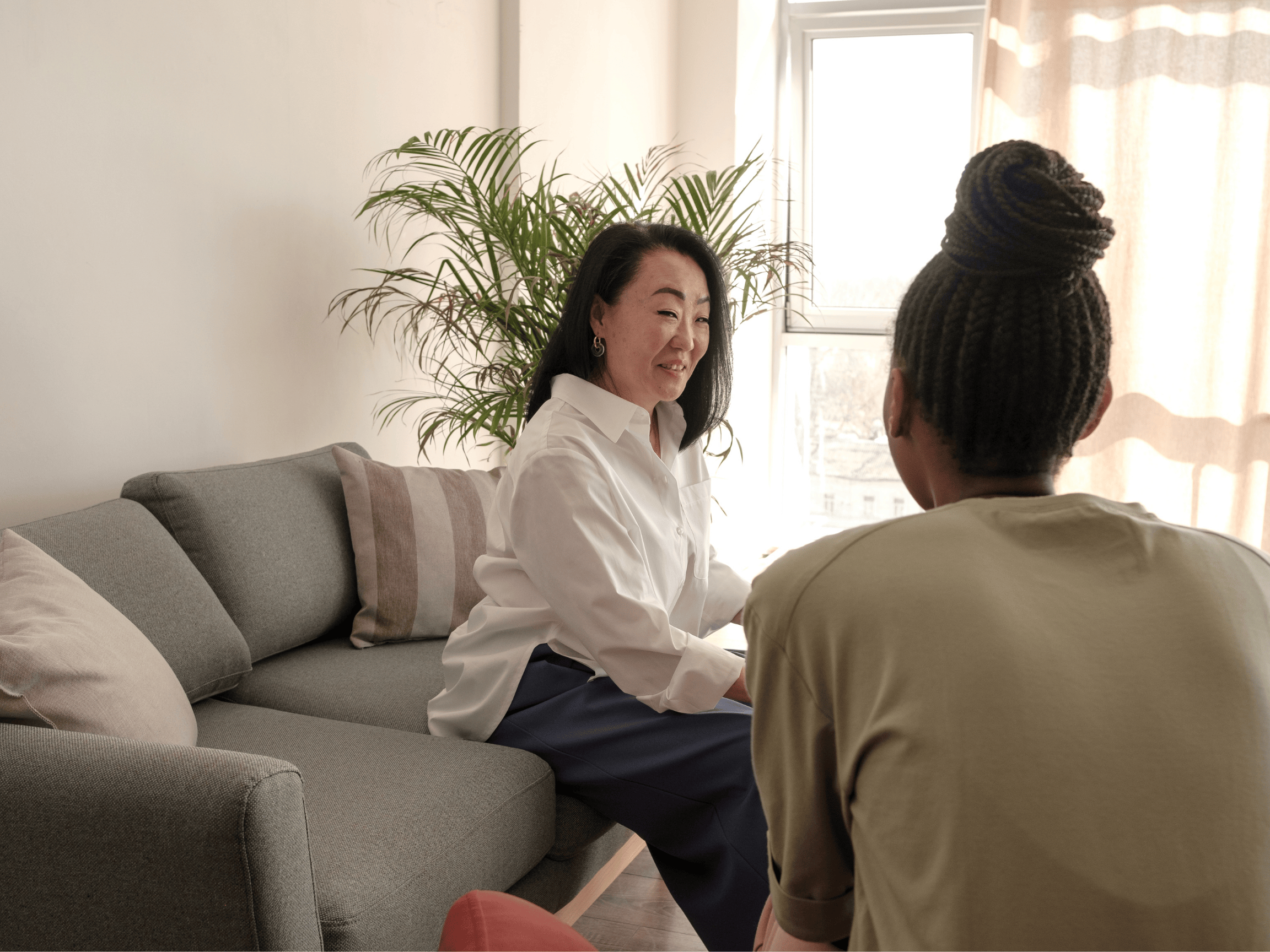
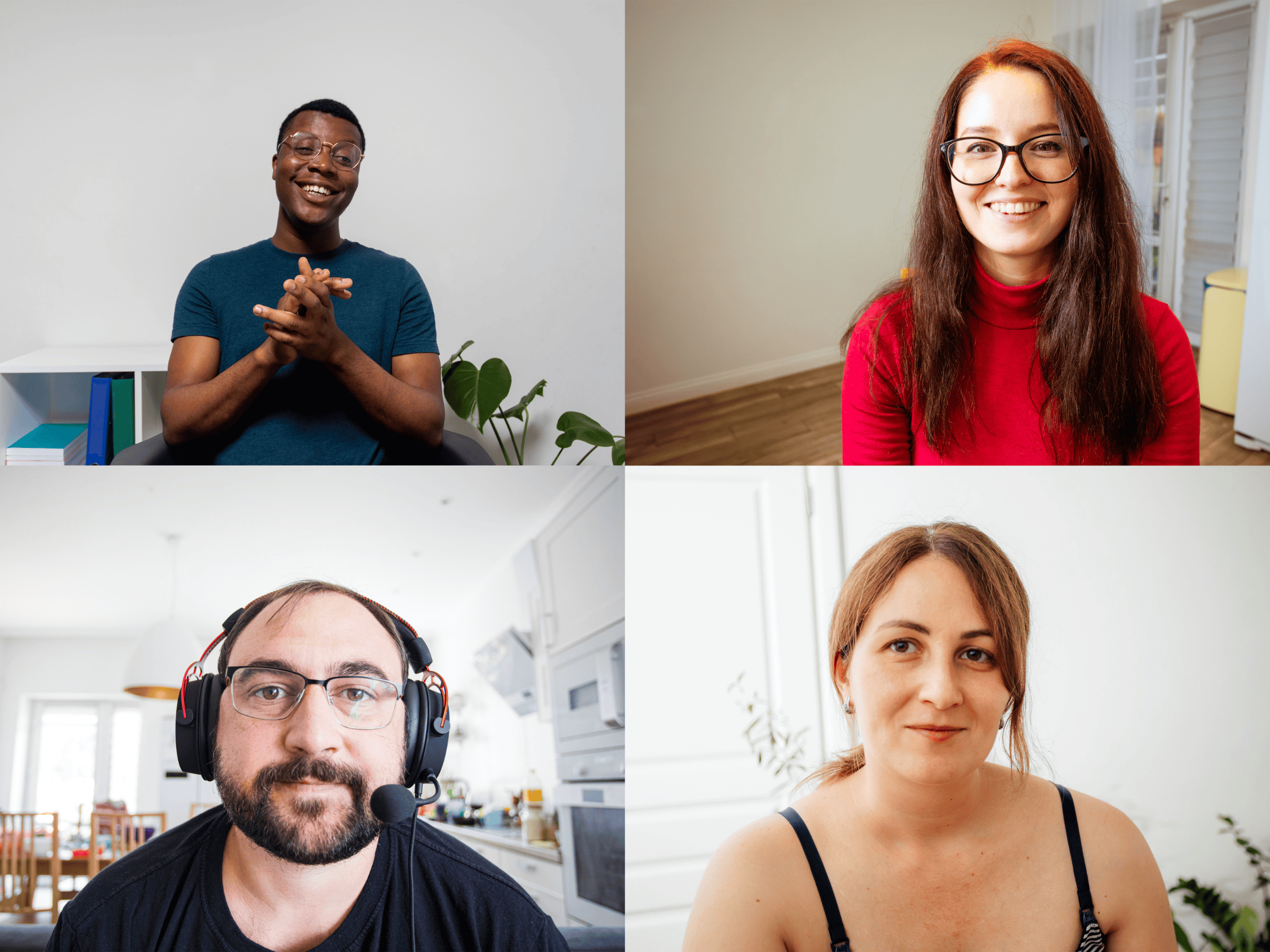
Our experienced mental health therapists offer online sessions to support clients.
Find a therapist
Therapists in Iqaluit provide professional and compassionate support for individuals, couples, and families who want to improve their mental health, strengthen relationships, and navigate life’s challenges with greater clarity. Whether you are experiencing anxiety, depression, trauma, stress, or emotional overwhelm, therapy offers a safe and confidential space to process your experiences, build coping tools, and restore balance. Sessions are personalized to your needs, blending structure and care with evidence-based approaches that foster insight, growth, and well-being.
At The Therapy Space, clients in Iqaluit can access online sessions with Ontario-registered psychotherapists who are licensed to provide therapy throughout Nunavut. This model ensures high-quality, professional care is available to residents across the territory, regardless of geographic limitations or seasonal challenges. Iqaluit’s sense of community and connection to the land can bring both grounding and emotional strain, especially during long winters or times of transition. Therapy provides a consistent space for reflection and healing, helping clients reconnect with themselves and find steadiness in both mind and body.



.avif)

.png)




.png)




Booking an Online Therapy Session
Get started today by booking an online therapy session by exploring the following steps:
Find a Therapist
Explore our team page or complete the matching form to be paired with a therapist who fits your needs and preferences.
Schedule a Free Consultation
Book a free consultation to ask questions, discuss goals, and see if it feels like the right fit.
Book a First Session
Once you’re ready, schedule your first full session online. Your therapist will guide you through the process and help you get started.
Frequently asked questions
Who are the therapists in Iqaluit, and what qualifications do they hold?
Therapists in Iqaluit working through The Therapy Space are Ontario-registered psychotherapists who meet the professional and ethical standards of the College of Registered Psychotherapists of Ontario (CRPO). Each therapist has completed a master’s-level education in counselling or psychotherapy and received extensive supervised clinical training.
These therapists are qualified to provide therapy across Nunavut and bring expertise in approaches such as Cognitive Behavioural Therapy (CBT), Dialectical Behaviour Therapy (DBT), Acceptance and Commitment Therapy (ACT), Internal Family Systems (IFS), EMDR, mindfulness, and somatic therapy.
CBT helps clients identify and reframe negative thinking patterns. DBT emphasizes emotional regulation and distress tolerance. ACT supports mindfulness and values-based living, while EMDR and somatic therapy help with trauma healing and nervous system regulation.
At The Therapy Space, Iqaluit clients receive professional, evidence-based care that integrates compassion, cultural sensitivity, and collaboration to support meaningful change.
How can therapy in Iqaluit help with anxiety and stress?
Therapy helps clients in Iqaluit understand and manage anxiety and stress by identifying underlying patterns, triggers, and physical responses. Many residents experience stress related to work, family responsibilities, isolation, or environmental factors. Therapy provides structure and guidance for restoring calm and balance.
CBT teaches clients to challenge unhelpful thought patterns that fuel worry or fear. DBT helps strengthen emotion regulation and mindfulness skills. ACT promotes acceptance and flexibility in responding to uncertainty, while somatic techniques calm the body through grounding, breathwork, and gentle awareness.
Therapists also provide practical coping strategies such as time management, self-care routines, and relaxation techniques. Over time, Iqaluit clients develop confidence in managing stress, staying present, and maintaining balance in both body and mind.
How does therapy address depression in Iqaluit?
Therapy supports individuals experiencing depression by providing understanding, structure, and actionable tools for healing. Depression can affect mood, motivation, and self-worth, but with consistent support, clients can begin to rebuild connection and hope.
CBT helps identify and shift unhelpful thinking patterns that reinforce low mood. Behavioural activation encourages small, meaningful steps toward re-engagement in life. ACT helps clients clarify personal values and take action aligned with them, while mindfulness encourages compassion and awareness of the present moment.
Therapists also explore underlying causes such as grief, loss, or emotional exhaustion. Somatic and trauma-informed techniques help clients reconnect with their bodies and regulate physical tension.
Through ongoing therapy, Iqaluit clients develop tools for emotional awareness, mood management, and resilience—fostering gradual and sustainable improvement in their well-being.
Can trauma therapy be done in Iqaluit?
Yes. Trauma therapy is available to Iqaluit residents through secure online sessions with trauma-informed therapists who emphasize safety, pacing, and empowerment.
Therapists often use EMDR to help clients reprocess painful memories and reduce emotional distress. Somatic therapy supports nervous system regulation and helps clients reconnect with a sense of safety in their bodies.
Sessions start with grounding and stabilization before deeper trauma work begins. Clients learn skills for emotional regulation and managing triggers. Psychoeducation about trauma responses helps clients understand how past experiences affect current thoughts, feelings, and behaviors.
Therapists guide the process with sensitivity and respect for each client’s readiness. Over time, trauma therapy fosters healing, integration, and a renewed sense of trust and strength.
Is couples and family therapy available in Iqaluit?
Yes. Couples and family therapy are available for Iqaluit residents seeking to improve communication, rebuild trust, and strengthen relationships.
Couples therapy helps partners understand each other’s needs, manage conflict constructively, and restore closeness. Therapists may use Emotion-Focused Therapy (EFT) or the Gottman Method to support deeper understanding and emotional connection.
Family therapy provides space for open communication, empathy, and collaboration among family members. Using systemic and IFS-informed approaches, therapists help families identify unhelpful patterns and create healthier ways of relating.
Sessions are interactive, supportive, and practical. Couples and families in Iqaluit learn to communicate more effectively, navigate challenges with empathy, and foster lasting connection.
How are mindfulness and somatic practices integrated into therapy?
Mindfulness and somatic therapy are integral parts of many therapy sessions, helping clients reconnect with themselves and regulate stress more effectively.
Mindfulness encourages clients to observe thoughts and emotions without judgment. Therapists may use breathing exercises, guided meditations, or grounding techniques to build awareness and presence.
Somatic therapy focuses on recognizing how emotions and tension are held in the body. Through grounding, gentle movement, and awareness practices, clients learn to release stress and restore balance.
These approaches complement talk therapy, helping Iqaluit clients connect both cognitively and physically with their healing process.
How do I know which therapy approach is right for me?
Therapists at The Therapy Space collaborate with clients to determine which approaches best align with their needs, goals, and preferences.
CBT offers structure and practical strategies for managing anxiety or depression. DBT teaches emotional regulation and communication skills. ACT encourages mindfulness and purposeful action. EMDR and somatic therapy address trauma and body-based regulation, while IFS deepens self-understanding and compassion.
Many therapists integrate multiple approaches, ensuring that therapy remains flexible and tailored to each individual. This personalized process helps Iqaluit clients find what works best for them and their circumstances.
How secure are online therapy sessions in Iqaluit?
All online therapy sessions are conducted through Jane App, a secure Canadian telehealth platform that complies with PIPEDA and PHIPA privacy standards. End-to-end encryption protects communication and client records.
Therapists work from private professional settings and guide clients in creating confidential spaces at home. All records are stored securely and accessible only to authorized professionals.
This system ensures that Iqaluit clients can attend therapy safely and privately, no matter where they are located in the territory.
How do I book a therapist in Iqaluit, and can I switch if needed?
Booking therapy through The Therapy Space is simple and flexible. Clients can fill out the Get Matched form to receive personalized therapist recommendations based on goals, approach preferences, and schedule. They can also browse therapist profiles and book sessions directly online.
If a therapist doesn’t feel like the right fit, clients can request a switch easily. Comfort and connection are essential to successful therapy, and The Therapy Space supports clients through that process without disruption.
The system matches Iqaluit residents with therapists based on therapy type (individual, couples, or family), preferred modalities, and availability, ensuring the best possible fit.
How many sessions are typically required in Iqaluit therapy?
Therapy duration depends on the client’s needs, goals, and progress. Short-term therapy often lasts between 6 and 12 sessions for specific issues like stress or communication. Long-term therapy supports deeper work such as trauma processing, identity development, or emotional regulation.
Therapists assess progress regularly and adjust the treatment plan as needed. Some clients continue therapy periodically for maintenance and reflection.
Online therapy provides flexibility and consistency for Iqaluit clients, making it easier to integrate mental health care into everyday life.
What can I expect from the first session?
The first session focuses on building rapport, discussing your goals, and exploring what brings you to therapy. The therapist will review confidentiality, structure, and what to expect in future sessions.
Clients are encouraged to share their story, history, and hopes for therapy in a nonjudgmental environment. The therapist listens carefully, offers reflections, and helps identify initial steps for progress.
This meeting helps clients feel safe, supported, and clear about how therapy can help them move forward. Many Iqaluit clients leave the first session feeling grounded, validated, and more hopeful about their journey.
What issues can Iqaluit therapists address?
Therapists in Iqaluit support clients through a wide range of concerns, including anxiety, depression, trauma, grief, burnout, relationship difficulties, and life transitions. They also help clients working on personal development, confidence, and emotional regulation.
Sessions combine education, reflection, and skills practice to strengthen resilience and emotional awareness. Clients learn how to manage stress, communicate effectively, and navigate challenges with calm and confidence.
At The Therapy Space, therapy is collaborative, evidence-based, and grounded in compassion. It provides Iqaluit residents with a consistent, confidential space to reflect, heal, and grow. Therapy fosters clarity, balance, and emotional strength—helping clients reconnect with themselves and live with greater purpose and ease.