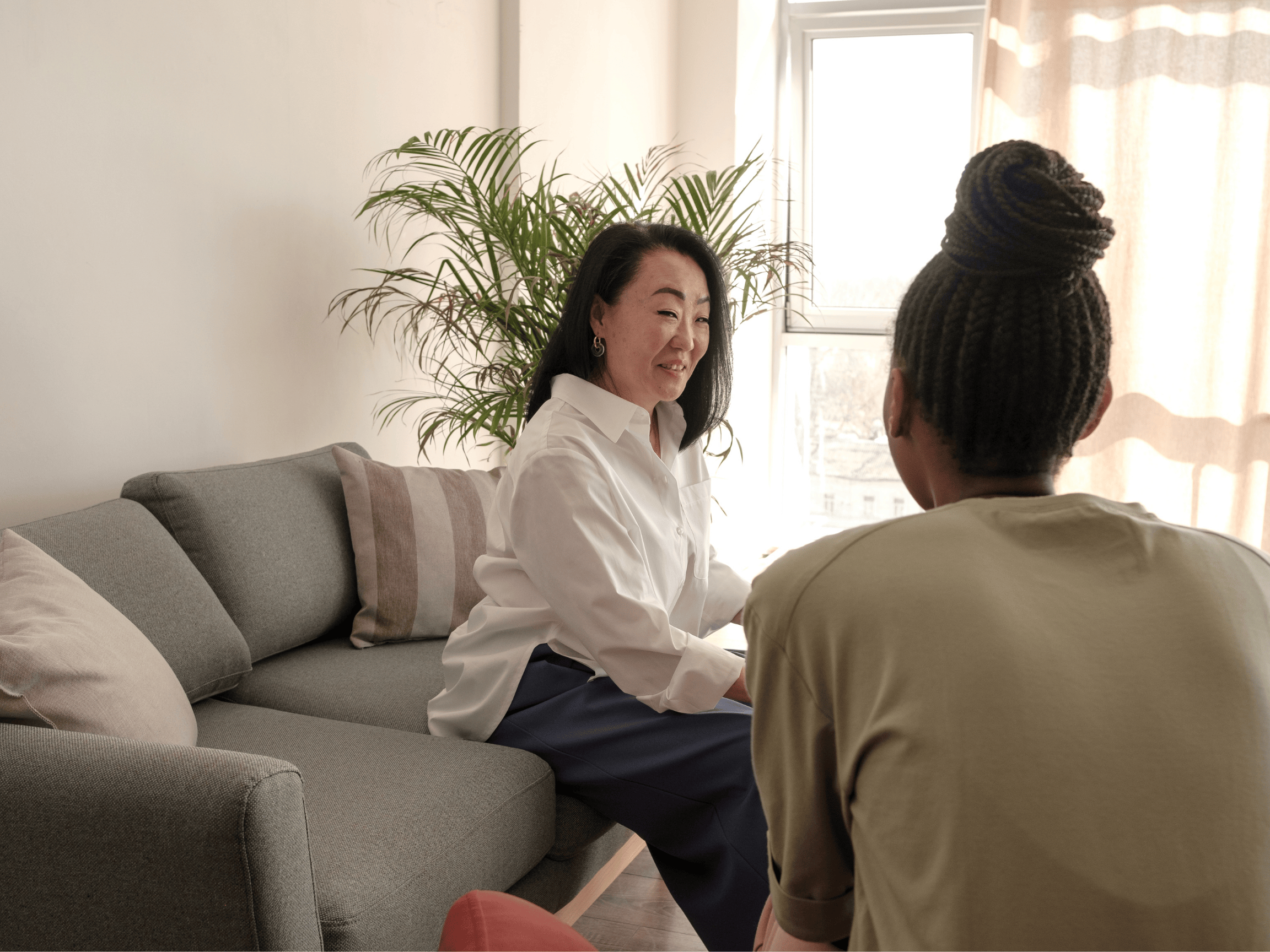
Free Counselling Consultations in Alberta
Find online therapists in Alberta & Across Canada
Our experienced mental health therapists offer online sessions to support clients.
Find a therapist
Free counselling consultations in Alberta provide a no-obligation opportunity for individuals, couples, and families to explore therapy options and connect with a licensed professional. These consultations allow clients to discuss their goals, current challenges, and preferred approaches to therapy before committing to regular sessions. Conducted online, they offer the flexibility and convenience to participate from home, making it easier for residents across Alberta to access support.
During a consultation, clients can ask questions about therapy modalities, session structure, and therapist expertise. This helps ensure a good therapeutic fit and builds confidence in the process. Free consultations are ideal for anyone considering counselling for anxiety, depression, relationship issues, trauma, or life transitions. They provide clarity, guidance, and a foundation for informed decision-making regarding ongoing mental health support.



.avif)

.png)




.png)





Booking an Online Therapy Session
Get started today by booking an online therapy session by exploring the following steps:
Find a Therapist
Explore our team page or complete the matching form to be paired with a therapist who fits your needs and preferences.
Schedule a Free Consultation
Book a free consultation to ask questions, discuss goals, and see if it feels like the right fit.
Book a First Session
Once you’re ready, schedule your first full session online. Your therapist will guide you through the process and help you get started.
Frequently asked questions
What is a free counselling consultation in Alberta?
A free counselling consultation is a short, introductory session—typically 20–30 minutes—designed to help prospective clients explore therapy options without any financial commitment. It provides a safe and confidential space for individuals, couples, or families to discuss what brought them to therapy and to gain a clear understanding of what therapy could involve.
During the consultation, therapists will ask about your goals, current challenges, and preferences for therapeutic modalities. They may offer initial suggestions for coping strategies or exercises you can try immediately, providing tangible benefits even from this brief session. For example, someone experiencing workplace stress may learn a quick grounding or breathing technique to use between meetings. The consultation also gives clients a chance to evaluate comfort, communication style, and rapport with the therapist, which are critical factors for effective therapy.
Who provides free consultations at The Therapy Space?
All free consultations are conducted by Master’s-level psychotherapists, including fully licensed Registered Psychotherapists (RPs) and RP (Qualifying) therapists registered with the College of Registered Psychotherapists of Ontario (CRPO). These therapists are legally permitted to provide virtual psychotherapy to clients in Alberta, ensuring professional and regulated care.
Therapists often bring specialized expertise in modalities such as Cognitive Behavioural Therapy (CBT), Dialectical Behaviour Therapy (DBT), Acceptance and Commitment Therapy (ACT), Internal Family Systems (IFS), EMDR, mindfulness, and somatic therapy. This allows them to tailor guidance even during the consultation to the client’s specific needs, whether addressing anxiety, depression, trauma, or relational concerns. Many therapists also provide psychoeducation on mental health topics during consultations, helping clients understand symptoms, triggers, and the value of ongoing therapy.
How can a free consultation help me choose the right therapist?
A free consultation allows clients to evaluate whether a therapist’s approach aligns with their goals and preferences. Therapists discuss potential modalities, such as CBT for anxiety or depression, DBT for emotional regulation, EMDR for trauma, or somatic therapy for body-centered stress. This helps clients understand which methods may be most effective for their unique situation.
Additionally, the consultation offers insight into the therapist’s communication style, empathy, and ability to build a supportive environment. For example, a client struggling with social anxiety may prioritize a therapist who provides structured guidance and a gradual exposure approach, while someone exploring identity issues may prefer a more reflective, insight-oriented style. By assessing fit early, clients are more likely to feel safe, heard, and supported throughout therapy.
Can free consultations address mental health concerns directly?
While free consultations are brief, exploratory meetings rather than full therapy sessions, therapists can provide general guidance on mental health concerns. At this stage, consent for therapy has not been reviewed or signed, so the consultation is not intended to constitute formal treatment. Instead, it serves as a space for clients to ask questions, share concerns, and learn about the therapist’s approach. For example, someone experiencing generalized anxiety may be introduced to simple grounding exercises or thought-challenging frameworks as a demonstration of potential therapeutic strategies.
Therapists may also offer psychoeducational information about mental health conditions, coping mechanisms, or stress management techniques. They explain the rationale behind these strategies, helping clients understand how they could be applied if they choose to pursue ongoing therapy. Importantly, any techniques discussed are meant to illustrate how therapy might help rather than replace a structured treatment plan. Clients can leave the consultation with practical tips, a clearer sense of direction, and greater understanding of what therapy could involve.
Additionally, consultations help set expectations for the therapy process, including how sessions might be structured, pacing, and possible modalities to explore. This allows clients to evaluate whether the therapist feels like a good fit, assess comfort and communication style, and make an informed decision about continuing with formal therapy. While not a treatment session, consultations provide a valuable opportunity to gain clarity, reassurance, and an initial sense of support before committing to ongoing therapy.
How secure are free online consultations in Alberta?
All consultations are conducted through secure, encrypted platforms such as Jane App, ensuring client privacy and confidentiality. Client records are stored in compliance with Canadian laws, including PIPEDA and PHIPA, and therapists maintain professional private environments during sessions.
Clients are guided in setting up a private space at home to ensure confidentiality and minimize distractions. This includes tips such as using headphones, ensuring others cannot overhear the session, and selecting a comfortable, quiet location. Security and privacy protocols provide peace of mind, allowing clients to discuss sensitive topics openly and honestly.
How do I book a free counselling consultation?
Clients can browse therapist profiles directly on The Therapy Space website, view video introductions, and book consultations online. Our “Get Matched” feature allows clients to receive personalized therapist recommendations based on specific needs, goals, modality preferences, and availability.
This process ensures clients are connected with therapists who specialize in their concerns, whether that’s anxiety, depression, trauma, relationship challenges, or life transitions. Therapists registered with the CRPO can provide virtual services to Alberta clients, which expands access for residents in smaller towns or those with mobility or scheduling constraints. Booking is quick, straightforward, and allows clients to choose a time that works best for them.
What happens after a free consultation?
After the consultation, clients can decide whether to continue with ongoing therapy. Therapists provide guidance on potential session frequency, suitable modalities, and strategies that may be helpful immediately.
Clients may also use this opportunity to explore other therapists if they feel another professional might be a better fit. Therapists may offer a preliminary plan for therapy goals and interventions, giving clients clarity on how future sessions will be structured. This ensures therapy is tailored, proactive, and client-centered, setting the stage for a collaborative therapeutic relationship.
Are free consultations truly no-obligation?
Yes, free consultations carry no financial or contractual obligation. They are intended to provide clarity, guidance, and comfort for prospective clients considering therapy.
The no-pressure environment encourages honest and open discussion about challenges, goals, and expectations. Clients can leave the consultation with valuable insight and strategies even if they choose not to continue therapy. This option is particularly helpful for individuals who are unsure whether therapy is the right next step or who may be exploring different therapists before committing.
How long does a typical consultation last?
Most consultations last 15–30 minutes, which allows enough time for introductions, discussion of concerns, exploration of therapy modalities, and answering client questions. The session is structured to maximize value while remaining concise.
Even within this short timeframe, clients gain practical insights, initial coping strategies, and a clear understanding of the next steps for therapy. For example, someone dealing with workplace stress might learn grounding techniques or scheduling strategies during the session, providing immediate benefit.
What should I prepare for a free consultation?
Clients should take some time before the consultation to reflect on their goals, main challenges, and any questions about therapy or the therapist’s approach. Writing down specific concerns can make the session more focused and productive. For example, a client struggling with anxiety might note questions like: “What techniques do you use to manage panic attacks?” or “How do you help clients cope with intrusive thoughts?” Someone seeking relationship support could ask: “Do you work with couples, and how do you approach communication issues?”
Clients might also think about their preferred therapy modalities and what feels most comfortable. Questions could include: “Do you use CBT, DBT, or mindfulness approaches?” or “How flexible are sessions if my schedule changes?” Logistical considerations such as session frequency, duration, cost, and online platform options can also be written down, so clients remember to cover these practical details. Reflecting on these topics beforehand allows clients to use the consultation time efficiently.
During the consultation, therapists will guide the discussion, provide psychoeducation, and offer recommendations for next steps. By coming prepared with questions and points to discuss, clients can leave the session with a clearer understanding of their options, a sense of whether the therapist is a good fit, and practical strategies to start applying right away. Preparation ensures that the consultation is informative, empowering, and helps clients feel confident making decisions about their mental health care.
Can free consultations help with couples or family therapy?
Yes. Therapists can provide guidance on relational dynamics, communication strategies, and potential approaches for couples or family therapy. They may discuss evidence-based techniques, such as communication exercises, conflict resolution strategies, or systems-based frameworks.
Even brief consultations can help families or partners understand how therapy might support shared goals and improve relational patterns. Therapists can explain how online sessions work, including tips for maintaining privacy, scheduling across locations, and setting clear session boundaries.
Why are free consultations valuable before starting therapy?
Free consultations offer an important first step in building a strong therapeutic alliance. They provide clarity, reassurance, and insight into therapy methods, helping clients feel confident and informed.
By assessing rapport and communication style, clients can ensure the therapist is a good fit, which significantly impacts the success of therapy. Early psychoeducation and practical strategies introduced in a consultation help clients start addressing challenges proactively, even before formal sessions begin.