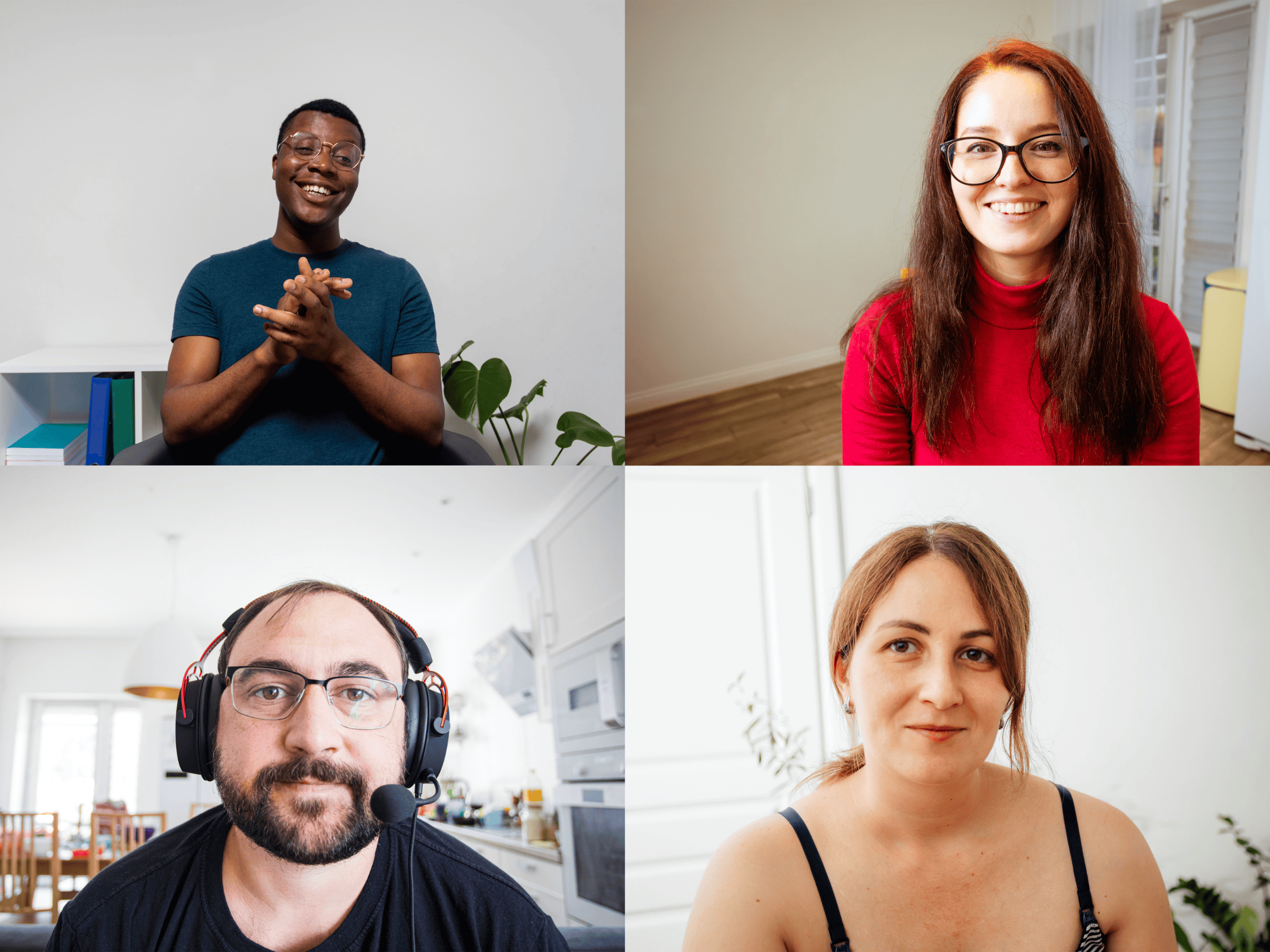
Online Therapy and Counselling in Toronto
Find online therapists in Toronto & Across Canada
Our experienced mental health therapists offer online sessions to support clients.
Find a therapist
Online therapy in Toronto provides accessible, convenient mental health support for individuals, couples, and families seeking professional guidance. Sessions can be conducted securely from home, allowing clients to prioritize emotional well-being despite busy urban schedules. By offering flexible access to licensed psychotherapists, online therapy ensures continuity of care while reducing barriers such as commuting, time constraints, and scheduling conflicts.
Toronto residents can benefit from online counselling for a wide variety of concerns, including anxiety, depression, stress, trauma, relationship challenges, and personal growth. Online therapy sessions provide a confidential space for clients to explore emotions, develop coping strategies, and engage in evidence-based interventions tailored to their unique needs. With secure video technology and professional guidance, therapy Toronto residents receive the same high-quality care as traditional in-person sessions, while enjoying added flexibility and convenience.



.avif)

.png)





.png)





Booking an Online Therapy Session
Get started today by booking an online therapy session by exploring the following steps:
Find a Therapist
Explore our team page or complete the matching form to be paired with a therapist who fits your needs and preferences.
Schedule a Free Consultation
Book a free consultation to ask questions, discuss goals, and see if it feels like the right fit.
Book a First Session
Once you’re ready, schedule your first full session online. Your therapist will guide you through the process and help you get started.
Frequently asked questions
What is online therapy and counselling in Toronto?
Online therapy in Toronto is a professional mental health service delivered via secure video sessions. It helps individuals, couples, and families address emotional, behavioral, and relational challenges while providing flexibility to participate from home or any private location. Online counselling can focus on symptom management, personal development, trauma recovery, or improving relationships.
Therapists use evidence-based approaches to support clients, ensuring that online sessions maintain the same quality of care as in-person therapy. With interactive exercises, goal-setting, and practical strategies, online therapy in Toronto empowers clients to make meaningful changes in their lives while preserving confidentiality and security.
Who provides online therapy at The Therapy Space?
At The Therapy Space, all online therapy providers are Master’s-level Registered Psychotherapists (RPs) or RP (Qualifying) therapists registered with the College of Registered Psychotherapists of Ontario (CRPO). Many therapists have specialized training in modalities including Cognitive Behavioural Therapy (CBT), Dialectical Behaviour Therapy (DBT), Acceptance and Commitment Therapy (ACT), Eye Movement Desensitization and Reprocessing (EMDR), Internal Family Systems (IFS), mindfulness, and somatic therapy.
This diverse skill set allows therapists to provide individualized, evidence-based interventions for anxiety, depression, trauma, relational issues, and personal growth. Clients can select therapists based on goals, modality preferences, and expertise to ensure optimal outcomes.
How can online therapy help with anxiety and stress?
Online therapy equips clients with tools to manage anxiety and stress effectively. CBT helps identify and reframe unhelpful thought patterns contributing to worry and tension. DBT teaches emotional regulation, distress tolerance, and mindfulness techniques. These interventions help clients reduce rumination, increase awareness of physiological responses, and build adaptive coping strategies.
During online sessions, therapists guide clients through interactive exercises and provide homework assignments to apply learned skills in real-life situations. This structured approach enables Toronto residents to develop long-term resilience and manage stress in personal, professional, and relational contexts.
How does online therapy address trauma?
Trauma-focused online therapy uses modalities such as EMDR and somatic therapy to support recovery. EMDR guides clients through the reprocessing of distressing memories, reducing emotional intensity and building coping mechanisms. Somatic therapy focuses on bodily awareness, helping clients release tension and process trauma physically and emotionally.
Online therapy provides a structured, secure environment where clients can explore difficult experiences at their own pace, with real-time support from licensed psychotherapists. These sessions help clients develop coping strategies, increase emotional regulation, and achieve meaningful trauma recovery from the comfort of home.
Can online therapy support couples and families?
Yes. Online couples and family therapy addresses communication, emotional understanding, and relational dynamics. Therapists may incorporate systems-based approaches, Internal Family Systems (IFS), or Gottman Method techniques to improve conflict resolution, empathy, and connection.
Online therapy enables all participants to join from different locations, making sessions more accessible for busy Toronto families and couples. Exercises may include active listening, value exploration, and practical strategies tailored to the relationship or family’s needs, promoting long-term relational health.
How do mindfulness and somatic techniques enhance online therapy?
Mindfulness and somatic practices complement traditional talk therapy by fostering body awareness and emotional regulation. Mindfulness exercises, including guided meditation, breathwork, and body scanning, help clients reduce stress, improve focus, and remain present. Somatic therapy emphasizes the connection between mind and body, assisting clients in processing emotions physically and releasing tension.
Online therapists guide clients step-by-step through these exercises, integrating them with CBT, DBT, ACT, or other modalities. This combination enhances emotional resilience, stress management, and overall mental well-being.
How many sessions are typically needed for online therapy in Toronto?
The number of online therapy sessions depends on client goals, presenting concerns, and therapy modality. Short-term therapy often involves 6–12 sessions for targeted issues such as anxiety, stress, or transitional challenges. Longer-term therapy may be recommended for trauma, chronic mental health conditions, or complex relational difficulties.
Therapists regularly assess progress and adapt treatment plans to ensure sessions remain personalized, client-focused, and effective. Online therapy allows clients to maintain consistency while integrating strategies into daily life for lasting results.
How secure are online therapy sessions?
Online therapy sessions at The Therapy Space are conducted via Jane App, a secure Canadian platform with end-to-end encryption. Client records are stored in compliance with PIPEDA and PHIPA. Therapists maintain private professional spaces and provide guidance for clients to create confidential environments at home, ensuring privacy and safety throughout each session.
This ensures clients can engage in therapy confidently, even when discussing sensitive topics such as trauma, anxiety, or relationship issues.
How do I find an online therapist in Toronto, and can I switch therapists?
Clients can browse detailed therapist profiles, watch video introductions, and book sessions directly, or use the “Get Matched” form for personalized recommendations based on goals, modality preferences, and availability. If a therapist isn’t the right fit, clients can request a new match or explore other profiles.
Being paired with a therapist who aligns with personal style, communication preferences, and therapy goals is essential for building a strong therapeutic relationship and achieving positive outcomes in online therapy.
What should I expect from the first online therapy session?
The first online therapy session focuses on building rapport, understanding presenting concerns, and establishing clear goals. Therapists explain relevant modalities, including CBT, DBT, ACT, IFS, mindfulness, EMDR, or somatic therapy, and outline session structure and pacing.
Clients leave the initial session with practical coping strategies, a clear understanding of next steps, and a collaborative plan to support emotional well-being, relational growth, and ongoing personal development. This foundation ensures that subsequent online therapy sessions are productive, goal-oriented, and tailored to each individual’s needs.