Schedule a Free Consultation with a Toronto Therapist
Find online therapists in Toronto & Across Canada
Our experienced mental health therapists offer online sessions to support clients.
Find a therapist
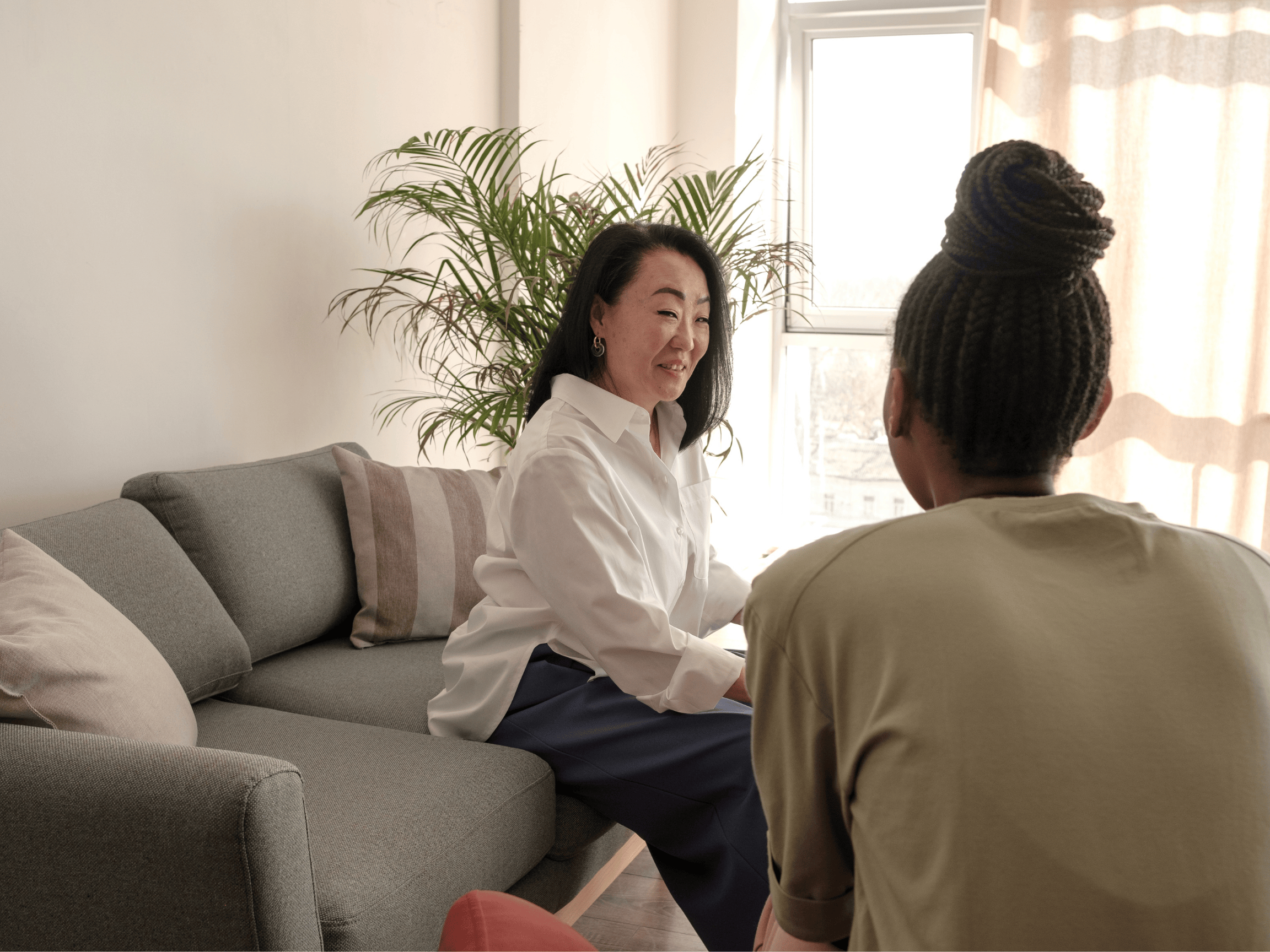
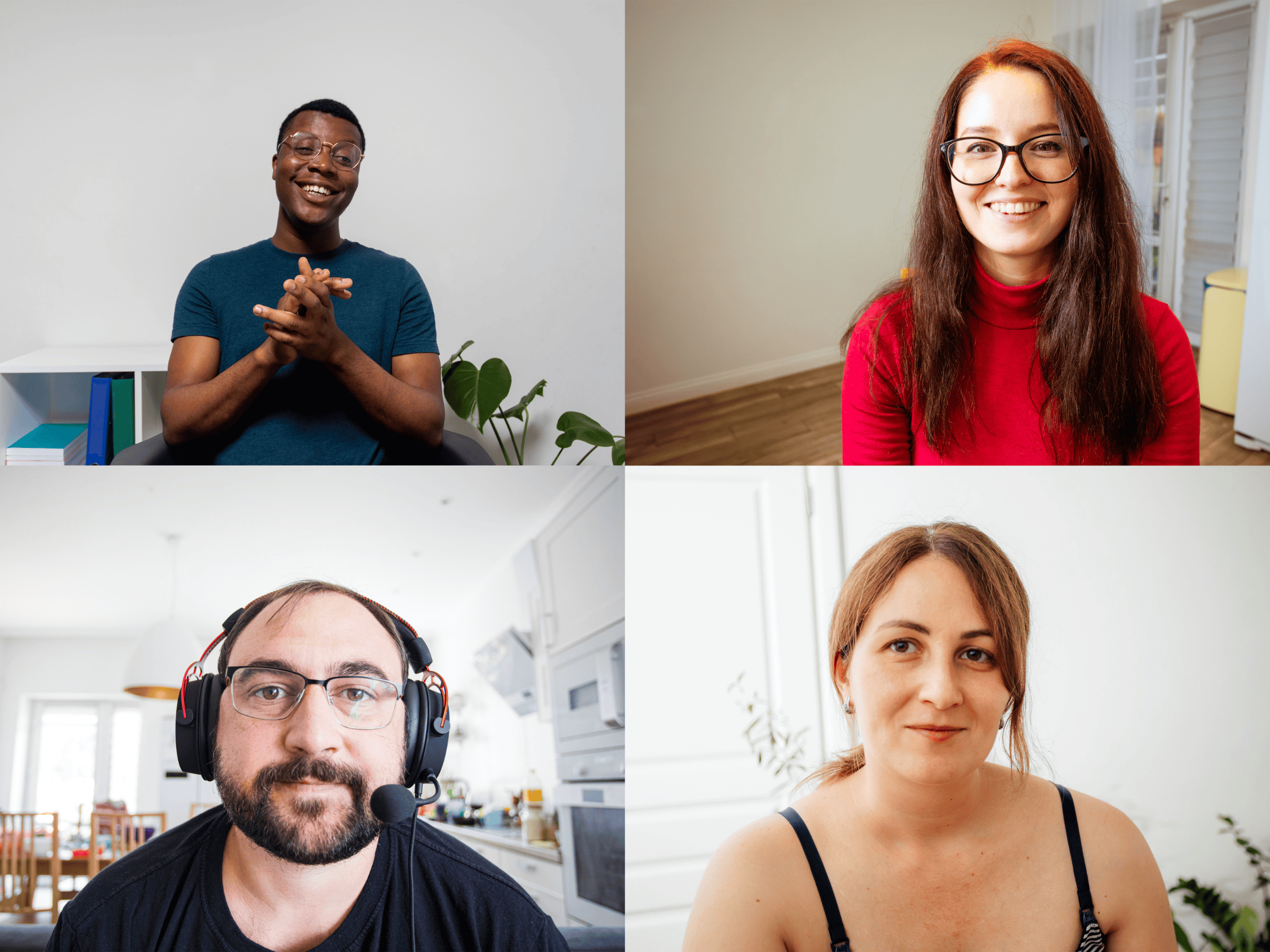
A free consultation with a Toronto therapist provides an opportunity to explore goals, preferences, and potential approaches to therapy before committing to sessions. Online consultations make it convenient to connect with a professional from home and discuss individual, couple, or family needs.
Toronto residents can use consultations to understand therapy options, ask questions, and determine the best fit for their personal or relational challenges. This process helps ensure a comfortable, informed, and supportive start to therapy. Whether you’re seeking support for anxiety, trauma, relationship issues, or personal growth, a consultation allows you to connect with a therapist who understands your goals and provides guidance tailored to your unique situation.
A free consultation is often the first step toward meaningful change. It helps remove uncertainty around starting therapy, clarifies what the process looks like, and gives clients the confidence to take the next step toward improved emotional well-being.



.avif)

.png)




.png)





Booking an Online Therapy Session
Get started today by booking an online therapy session by exploring the following steps:
Find a Therapist
Explore our team page or complete the matching form to be paired with a therapist who fits your needs and preferences.
Schedule a Free Consultation
Book a free consultation to ask questions, discuss goals, and see if it feels like the right fit.
Book a First Session
Once you’re ready, schedule your first full session online. Your therapist will guide you through the process and help you get started.
Frequently asked questions
What is a free consultation with a Toronto therapist?
A free consultation is a short, 20–30 minute introductory session designed to help you explore whether therapy—and a specific therapist—feels like the right fit. These sessions are ideal for people who are new to therapy, unsure which modality to choose, or want to clarify what to expect from counselling.
During the call, clients can share what’s bringing them to therapy, such as stress, burnout, relationship conflict, or life transitions. The therapist explains how therapy could address these concerns, outlines potential modalities (like CBT for anxiety or EMDR for trauma), and answers any questions about scheduling, costs, and structure.
Many Toronto clients use consultations to compare approaches between therapists before deciding. It’s a supportive way to begin your therapy journey without pressure or commitment.
Who conducts free consultations at The Therapy Space?
All consultations are provided by experienced, Master’s-level psychotherapists registered with the College of Registered Psychotherapists of Ontario (CRPO). This includes both Registered Psychotherapists (RPs) and RP (Qualifying) therapists who are supervised as part of their clinical training.
Each therapist brings their own expertise and personality to the process. Some specialize in trauma and EMDR, others in anxiety, ADHD, relationships, or life transitions. Many are trained in modalities such as CBT, DBT, ACT, IFS, somatic therapy, and mindfulness-based approaches, allowing them to tailor therapy plans to your needs.
Clients can also filter therapists by language, lived experience, or identity-based specialization—such as working with BIPOC clients, men, women, or LGBTQIA2+ individuals—to ensure the best possible therapeutic connection from the start.
How can a free consultation help me choose the right therapist?
The consultation acts as a “chemistry check” between you and the therapist. It’s a chance to see if you feel comfortable, understood, and supported. Research shows that the therapeutic relationship—not just the technique—is one of the strongest predictors of success in therapy.
Your therapist might share examples of how they’ve helped clients with similar challenges. For instance, if you’re dealing with intrusive thoughts or panic attacks, they might explain how CBT and mindfulness can reduce symptom cycles. If you’re processing grief, they could describe how ACT helps with acceptance and meaning-making.
By the end of the consultation, you’ll have a sense of whether their approach and communication style align with what you need—and you’ll leave with a clearer understanding of what therapy might look like for you.
Can free consultations address trauma, anxiety, or relationship concerns?
Yes. Many clients use consultations to discuss these very issues. While consultations aren’t therapy sessions, they’re designed to help you identify appropriate next steps.
For example:
- Trauma: You might explore EMDR or somatic therapy options and learn how online trauma processing works safely.
- Anxiety: A therapist may outline how CBT helps reduce racing thoughts or avoidance patterns.
- Relationships: Couples may learn about communication-focused methods like EFT or the Gottman Method.
Therapists can also explain what therapy boundaries look like, how progress is measured, and how often sessions are typically scheduled for your situation. Even a brief consultation can provide direction and reassurance that your challenges are manageable with the right support.
How secure are online free consultations in Toronto?
Privacy and data protection are top priorities. All consultations occur through Jane App, a Canadian telehealth platform trusted by healthcare professionals across the country. Sessions use encrypted video connections and are compliant with PHIPA and PIPEDA laws.
Therapists maintain a confidential environment on their end and provide guidance for creating one on yours—for instance, using headphones or choosing a private room for the call. These measures help ensure that everything you share remains secure and protected, even when meeting online.
Clients often appreciate the flexibility of online consultations, as they eliminate commuting, parking, or scheduling stress while maintaining professional confidentiality.
How do I book a free consultation with a Toronto therapist?
Booking is simple. You can:
- Browse therapist profiles to learn about their education, experience, and specializations.
- Watch introductory videos to get a feel for each therapist’s communication style.
- Book directly through the therapist’s profile at a time that suits your schedule.
Alternatively, our “Get Matched” form is ideal if you’re unsure where to start. It uses your preferences, goals, and budget to suggest therapists who are likely to be a strong fit. Many clients find this especially useful when new to therapy, as it removes the guesswork and connects you with the right professional quickly.
What happens after a free consultation?
After your consultation, you’ll have time to reflect. Many clients feel immediate relief after speaking with a professional—it helps them feel seen, validated, and hopeful.
If you decide to move forward, the therapist may recommend a starting schedule (such as weekly sessions) and outline what your early sessions might focus on. They might also suggest resources—like journaling prompts or grounding exercises—to begin between sessions.
If the match doesn’t feel right, you’re free to explore other therapists or request a new recommendation through our matching form. Finding the right fit is part of the process, and therapists fully understand and encourage that.
Are free consultations truly no-obligation?
Yes—there are no hidden commitments, charges, or follow-ups required. The consultation is a professional courtesy to help clients make an informed decision about their care.
Even if you choose not to move forward, you’ll likely leave with a clearer understanding of what kind of support you need, what modalities resonate most, and how therapy can fit into your life. This makes it a valuable step toward better mental health, regardless of where you continue your journey.
How long is a typical free consultation?
Free consultations typically last 20–30 minutes, though some may extend a few minutes depending on the discussion. Therapists use this time to get to know you, understand what prompted your outreach, and answer any questions about therapy structure, fees, and availability.
This conversation is client-led—you can choose to share as much or as little as you feel comfortable. Many people use it to clarify therapy goals, talk about their schedule, or learn how different approaches (like EMDR vs CBT) might look in practice.
What should I prepare for my first free consultation?
To make the most of your consultation, consider jotting down a few notes about:
- What’s motivating you to start therapy now
- Any past experiences in therapy (positive or negative)
- The type of therapist or approach you think you’d connect with
- Practical details like preferred session times or communication style
You don’t need to have everything figured out—the therapist will guide you with open-ended questions to help uncover your goals. Some clients also like to ask what a “typical session” looks like, how progress is tracked, or what kind of homework or between-session practices may be involved.
The goal is to ensure you feel supported, informed, and confident about the next step toward starting therapy in Toronto.