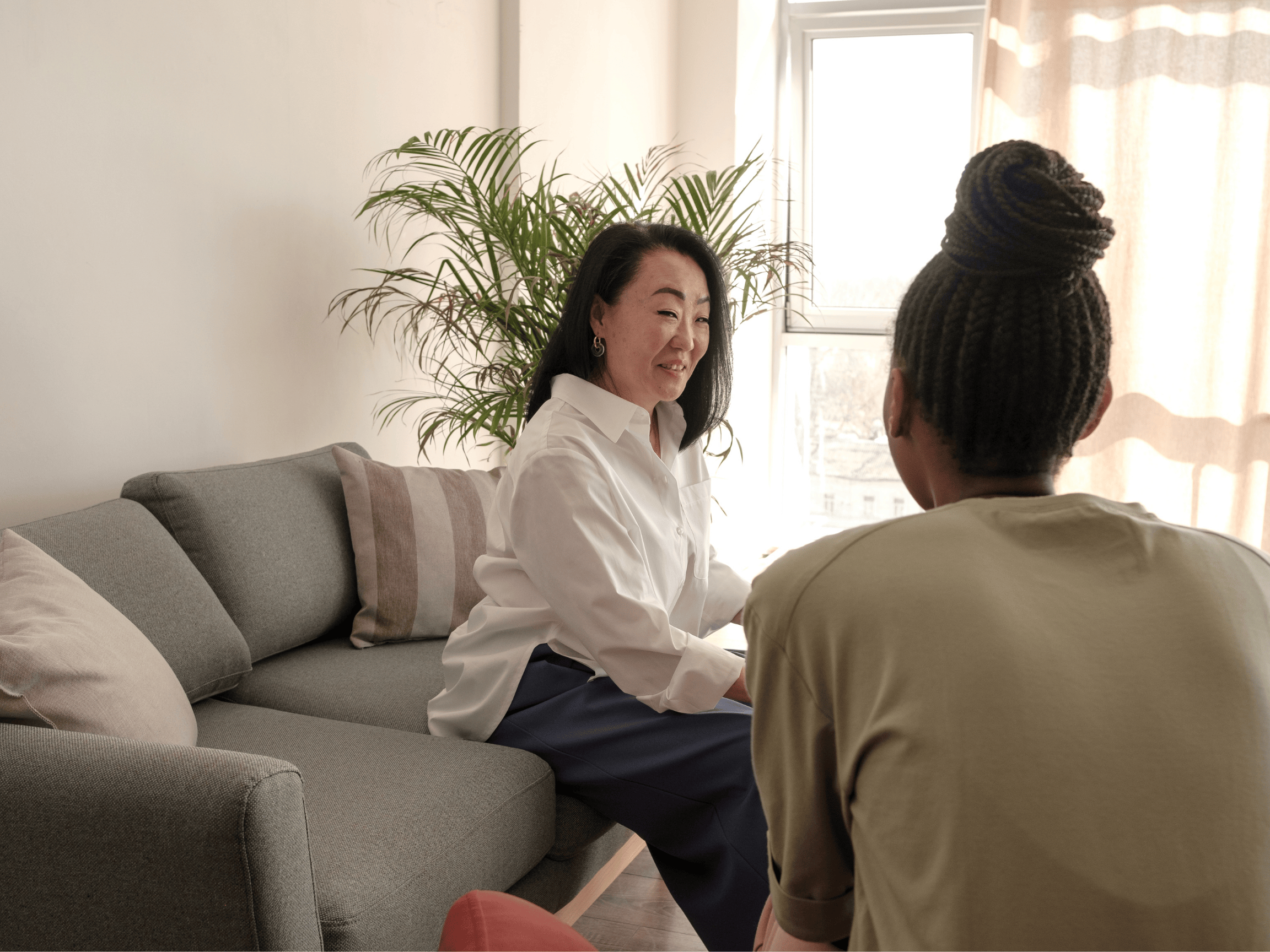
Sex therapy and counselling in Toronto
Find online therapists in Toronto & Across Canada
Our experienced mental health therapists offer online sessions to support clients.
Find a therapist
Sex therapy in Toronto supports individuals and couples in addressing sexual concerns, intimacy challenges, and relational dynamics. Online sessions provide a private and confidential space to explore sensitive topics and develop strategies for improved sexual and emotional well-being. These sessions are designed to help clients understand the psychological, relational, and physical components of sexual health while building self-awareness, confidence, and communication skills.
Toronto clients may experience pressures related to relationships, performance, or identity that affect sexual health. Therapy helps clients build communication skills, address underlying concerns, and develop satisfying and healthy sexual experiences. Whether the concern involves low desire, sexual pain, mismatched libido, body image, or emotional disconnection, therapy offers a safe and supportive environment to rebuild trust, intimacy, and connection both with oneself and with partners.



.avif)

.png)





.png)





Booking an Online Therapy Session
Get started today by booking an online therapy session by exploring the following steps:
Find a Therapist
Explore our team page or complete the matching form to be paired with a therapist who fits your needs and preferences.
Schedule a Free Consultation
Book a free consultation to ask questions, discuss goals, and see if it feels like the right fit.
Book a First Session
Once you’re ready, schedule your first full session online. Your therapist will guide you through the process and help you get started.
Frequently asked questions
What is sex therapy and counselling in Toronto?
Sex therapy is a specialized branch of psychotherapy that helps individuals and couples explore and resolve challenges related to sexuality, intimacy, and emotional connection. These may include difficulties with desire, arousal, orgasm, sexual pain, performance anxiety, or the effects of past trauma. It also supports clients navigating sexual orientation, gender identity, body image, and communication within intimate relationships.
Online sex counselling provides a private and accessible way to discuss these topics confidentially with licensed professionals who use evidence-based approaches to help clients feel safe, understood, and empowered. Sessions are adapted to each client’s comfort level—whether focusing on education, emotional healing, or relationship repair—and emphasize shame-free, sex-positive support rooted in compassion and clinical expertise.
Who provides sex therapy at The Therapy Space?
Sex therapy is provided by Master’s-level psychotherapists registered with the College of Registered Psychotherapists of Ontario (CRPO). Our team includes both Registered Psychotherapists (RPs) and RP (Qualifying) clinicians, many of whom have advanced training in sex-positive therapy, somatic psychology, trauma recovery, and relational counselling.
Several of our therapists also specialize in LGBTQIA2+ affirming care, kink-aware therapy, and cultural or faith-based perspectives on sexuality. Modalities like CBT, DBT, ACT, IFS, EMDR, and mindfulness are frequently integrated to help clients work through anxiety, shame, or self-esteem challenges related to sexual health.
This combination of clinical knowledge and inclusive, nonjudgmental practice ensures that therapy remains both professional and deeply human—tailored to the lived experiences of every client.
How can CBT support sexual concerns?
Cognitive Behavioural Therapy (CBT) is one of the most effective tools for addressing sexual concerns rooted in anxiety, fear, or negative self-talk. For example, a client struggling with performance anxiety might work with a therapist to identify automatic thoughts like “I’ll disappoint my partner” or “Something’s wrong with me.” Through CBT, these thoughts are challenged and replaced with balanced, compassionate perspectives.
Therapists also use behavioural exercises to help clients focus on pleasure, connection, and mindfulness instead of performance metrics. This may involve journaling assignments, guided relaxation, or “sensate focus” activities between partners to rebuild positive associations with intimacy. Over time, CBT helps reduce anxiety, improve confidence, and restore a sense of comfort and enjoyment in sexual experiences.
How does sex therapy address relational and couples issues?
Many couples seek sex therapy to address mismatched desire, disconnection, or recurring patterns of conflict that affect intimacy. Therapy provides a structured, nonjudgmental environment where both partners can express needs and learn to listen with empathy.
Therapists may draw on the Gottman Method, Emotionally Focused Therapy (EFT), or Internal Family Systems (IFS) to help partners improve communication and repair emotional bonds. For example, a couple struggling with mismatched libido may learn to differentiate between emotional closeness and sexual desire, identify external stressors (such as parenting or work fatigue), and rebuild intimacy through gradual, pressure-free exercises.
By strengthening emotional understanding, sex therapy not only improves sexual satisfaction but also fosters deeper trust, affection, and mutual respect within relationships.
Can trauma or past experiences impact sexual health, and how is it addressed?
Yes. Trauma—especially sexual trauma, emotional abuse, or medical trauma—can profoundly affect sexual expression, safety, and trust. Many clients experience symptoms such as avoidance, hypervigilance, shame, or body disconnection.
Therapists at The Therapy Space use trauma-informed approaches like EMDR (Eye Movement Desensitization and Reprocessing), somatic therapy, mindfulness, and CBT to help clients process and integrate these experiences at a manageable pace. Sessions may include grounding techniques, emotional regulation tools, and gradual exposure to intimacy in safe, supportive ways.
Healing from trauma is not linear, but therapy creates a consistent, compassionate environment where clients can rebuild confidence, reconnect with their bodies, and experience pleasure and safety again.
How do mindfulness and somatic practices support sex therapy?
Mindfulness helps clients become more present in their bodies and less caught up in anxious or critical thoughts during sexual experiences. This presence allows for deeper connection, enhanced pleasure, and reduced performance anxiety.
Somatic therapy, on the other hand, focuses on how emotions and trauma are stored in the body. Therapists may guide clients through gentle breathing exercises, grounding techniques, or body scans to increase awareness and release tension. These practices help clients reconnect with their physical sensations and cultivate a sense of safety and relaxation in intimate contexts.
When integrated with traditional talk therapy, mindfulness and somatic work create a holistic approach that supports both emotional and physical dimensions of sexual well-being.
How many sessions are typically needed for sex therapy?
The duration of sex therapy depends on the goals, complexity, and nature of the concerns being addressed. Short-term therapy (6–12 sessions) is often effective for specific issues such as performance anxiety or communication barriers.
Longer-term therapy may be recommended for deeper challenges such as trauma recovery, chronic relationship strain, or identity exploration. Progress is assessed collaboratively—therapists regularly revisit goals, celebrate milestones, and adjust strategies as needed. Clients are encouraged to move at a pace that feels safe and sustainable, ensuring that therapy remains supportive rather than overwhelming.
How secure and private are online sex therapy sessions in Toronto?
Confidentiality is a cornerstone of online sex therapy. All sessions take place through Jane App, a secure, encrypted Canadian platform that meets PIPEDA and PHIPA compliance standards.
Therapists ensure that their own environment is private and free from interruptions, and they guide clients in setting up a confidential space at home—using headphones, privacy screens, or soundproofing as needed.
Many Toronto clients appreciate the added comfort of accessing therapy from their own home, which can make discussing sensitive or vulnerable topics feel easier and more natural.
How do I find a sex therapist in Toronto, and can I switch therapists if needed?
Clients can easily explore therapist profiles on our website, which include professional bios, specializations, and video introductions. The “Get Matched” form allows clients to describe their goals, preferences, and budget so our team can recommend the best therapist for their needs.
If after a few sessions the fit doesn’t feel ideal, clients can request a new match—this is a normal and respected part of the process. Finding the right therapist is essential, especially in sex therapy, where trust and comfort directly impact progress. The Therapy Space supports flexibility to ensure every client feels safe, supported, and understood.
What should I expect from the first sex therapy session?
The first session focuses on creating a foundation of trust and openness. The therapist will review confidentiality, discuss your goals, and invite you to share your concerns at your own pace. You might explore topics like desire differences, body image, communication challenges, or emotional disconnection.
Therapists explain how different modalities may be used—CBT for performance anxiety, IFS for exploring internal parts and self-compassion, or somatic practices for body reconnection. Clients leave the session with practical takeaways, such as communication exercises or grounding tools, and a clearer sense of how therapy will progress.
Most importantly, the first session reinforces that sex therapy is not about judgment or diagnosis—it’s about understanding, healing, and growth. The space is affirming, professional, and entirely guided by your comfort and consent.