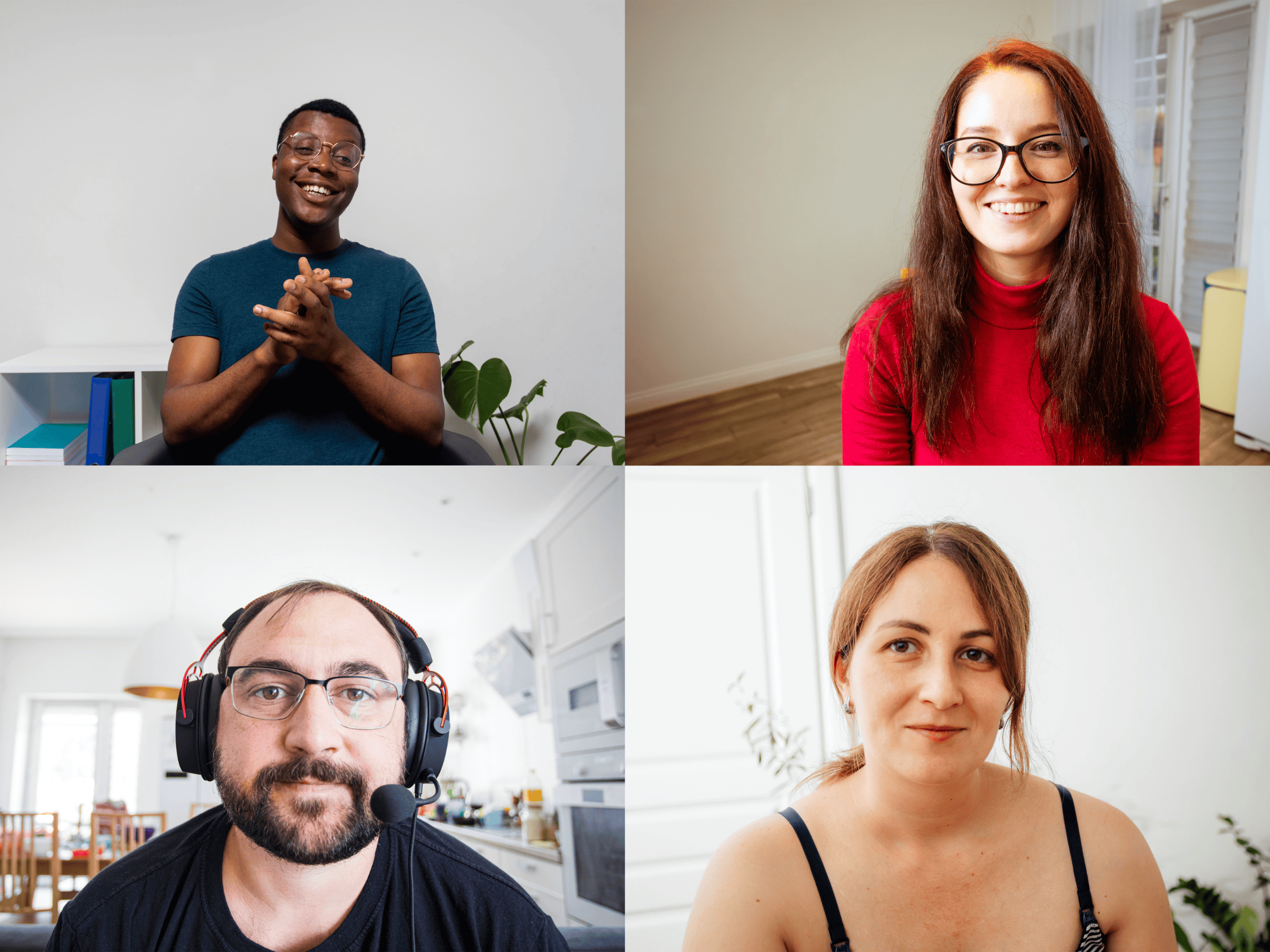
Online Therapy and Counselling in Mississauga
Find online therapists in Mississauga & Across Canada
Our experienced mental health therapists offer online sessions to support clients.
Find a therapist
Online therapy and counselling in Mississauga provide accessible, confidential, and professional mental health care for residents seeking support from the comfort of home. With busy work schedules, family responsibilities, and long commutes, online sessions offer flexibility while maintaining the same clinical effectiveness as in-person therapy. Whether you’re facing anxiety, depression, burnout, or relationship difficulties, licensed psychotherapists provide evidence-based approaches tailored to your needs, helping you manage symptoms and build emotional resilience in a supportive, secure environment.
Mississauga’s diverse and fast-paced community often faces stress related to work, school, and family life, and many residents prefer the convenience of online therapy to fit mental health care into their daily routines. Online sessions eliminate travel time and allow for consistent, high-quality support, ensuring therapy remains accessible even during busy or unpredictable periods. With a range of therapeutic modalities and experienced clinicians, online counselling empowers individuals, couples, and families across Mississauga to work toward well-being, balance, and long-term growth.



.avif)

.png)





.png)





Booking an Online Therapy Session
Get started today by booking an online therapy session by exploring the following steps:
Find a Therapist
Explore our team page or complete the matching form to be paired with a therapist who fits your needs and preferences.
Schedule a Free Consultation
Book a free consultation to ask questions, discuss goals, and see if it feels like the right fit.
Book a First Session
Once you’re ready, schedule your first full session online. Your therapist will guide you through the process and help you get started.
Frequently asked questions
What is online therapy and counselling in Mississauga?
Online therapy—also called virtual therapy or teletherapy—offers the same level of professional care as traditional in-person counselling, delivered through secure video platforms such as Jane App. Sessions take place via encrypted video calls, allowing clients to meet with licensed psychotherapists in a private and convenient setting.
This form of therapy supports individuals, couples, and families experiencing challenges such as anxiety, depression, relationship issues, trauma, grief, or workplace stress. Therapists use structured, evidence-based methods to help clients develop coping strategies, improve emotional regulation, and achieve personal goals. For many Mississauga residents, online counselling removes logistical barriers, such as transportation or scheduling conflicts, making therapy easier to access and sustain long term.
Who provides online therapy in Mississauga?
At The Therapy Space, online therapy is provided by Master’s-level Registered Psychotherapists (RPs) and RP (Qualifying) clinicians registered with the College of Registered Psychotherapists of Ontario (CRPO). Each therapist brings specialized training in modalities like Cognitive Behavioural Therapy (CBT), Dialectical Behaviour Therapy (DBT), Acceptance and Commitment Therapy (ACT), Internal Family Systems (IFS), Eye Movement Desensitization and Reprocessing (EMDR), mindfulness, and somatic therapy.
Therapists are trained to tailor approaches to the individual’s needs. For instance, a therapist might integrate CBT for managing anxiety, ACT for increasing motivation, and mindfulness for reducing stress. Many practitioners also have experience working with specific communities within Mississauga, including professionals, students, parents, newcomers, and multicultural populations—ensuring culturally responsive and inclusive care.
How does online therapy work, and what should I expect from the process?
Online therapy sessions follow a similar structure to in-person therapy. After booking, clients receive a secure video link through Jane App. The first session usually involves discussing your goals, personal history, and what you hope to achieve in therapy. Therapists explain their methods and collaborate with you to create a treatment plan that fits your preferences, schedule, and needs.
Subsequent sessions may include skill-building, guided reflection, or structured exercises based on your chosen modality. For example, CBT sessions might include thought-tracking or behaviour activation, while DBT may involve emotion regulation techniques. Therapists also provide homework or journaling prompts to help you apply strategies between sessions. Progress is regularly reviewed, ensuring that therapy stays focused and effective.
What are the benefits of choosing online therapy in Mississauga?
Online therapy offers numerous benefits, including flexibility, accessibility, and privacy. Clients can attend sessions from anywhere—at home, during breaks, or while traveling—without the need for commuting or parking. This convenience often leads to better consistency and engagement in therapy.
Additionally, online therapy allows clients to connect with a broader range of therapists across Ontario, increasing the likelihood of finding the right match. For those with mobility challenges, chronic illness, or social anxiety, virtual sessions remove additional barriers to care. Research shows that online therapy is as effective as in-person sessions for treating anxiety, depression, and trauma, making it a trusted and evidence-based option for mental health support.
How secure and confidential is online therapy?
All online sessions at The Therapy Space are conducted using Jane App, a Canadian telehealth platform with end-to-end encryption and PHIPA/PIPEDA compliance. This ensures that all personal information, session notes, and communication are protected according to Ontario’s strict privacy laws.
Therapists also take steps to maintain confidentiality during sessions—such as using private workspaces, soundproofing, and password-protected devices. Clients are encouraged to join sessions from a private room and use headphones to further protect their confidentiality. Many clients find that meeting online from home increases their sense of comfort and openness, which can enhance the therapeutic process.
What types of issues can online therapy help with?
Online therapy can effectively address a wide range of mental health challenges. Common areas of focus include:
- Anxiety and stress management
- Depression and low motivation
- Workplace burnout and perfectionism
- Relationship and family issues
- Trauma and PTSD
- Grief and loss
- Self-esteem and identity concerns
- Life transitions (career changes, relocation, adjusting to parenthood, etc.)
Therapists in Mississauga use integrative approaches to address the root causes of these challenges, providing both short-term relief and long-term personal growth. For example, someone experiencing burnout may focus on setting healthy boundaries, while another facing grief may work through acceptance and emotional processing.
How can online therapy help with anxiety and depression?
Online therapy for anxiety and depression often involves structured, skills-based approaches like CBT, DBT, and ACT. CBT helps clients challenge negative thought patterns and replace them with balanced perspectives. DBT teaches coping skills for managing emotional intensity, and ACT focuses on accepting difficult emotions while living in alignment with personal values.
For instance, someone experiencing panic attacks may learn grounding exercises, breathing techniques, and exposure strategies. A client dealing with depression may focus on identifying small, meaningful actions that help rebuild motivation and self-worth. Online therapists in Mississauga work collaboratively to ensure that each session offers practical tools that clients can immediately apply in everyday life.
Can couples and families participate in online therapy?
Yes. Couples and family therapy are available online, making it easier for multiple participants to join sessions from different locations. Therapists use approaches such as the Gottman Method, Emotionally Focused Therapy (EFT), and family systems therapy to help improve communication, reduce conflict, and strengthen emotional connection.
For example, couples may learn to manage recurring disagreements or rebuild trust, while families may work on improving understanding between parents and children. Online sessions are structured and interactive, ensuring that everyone’s voice is heard while keeping discussions productive and solution-focused.
How do therapists personalize treatment approaches online?
Therapists begin by assessing each client’s unique history, goals, and preferences, taking into account personal background, cultural identity, and readiness for change. Based on this understanding, they recommend approaches that best fit each individual. Some clients benefit from structured, skills-based therapies like Cognitive Behavioural Therapy (CBT) or Dialectical Behaviour Therapy (DBT), while others may prefer insight-oriented methods such as Internal Family Systems (IFS), Acceptance and Commitment Therapy (ACT), or mindfulness-based counselling that emphasize self-awareness and emotional balance.
For instance, an entrepreneur in Mississauga managing stress might work on boundary-setting and cognitive reframing, while a student experiencing anxiety could focus on grounding and academic coping strategies. A new parent coping with overwhelm might explore ACT techniques to reconnect with personal values and self-compassion. Clients processing grief or trauma may benefit from somatic therapy or EMDR to release emotional tension and foster healing. These varied examples show how therapy is adaptable and responsive to real-life challenges faced by Mississauga residents.
Many therapists use an integrative approach, combining elements from different modalities to address both short-term symptoms and long-term growth. Therapy naturally evolves as clients make progress—early sessions may focus on coping strategies, later shifting toward deeper insight or relational patterns. Regular check-ins ensure therapy remains collaborative, effective, and aligned with each client’s changing needs and comfort level.
How many online therapy sessions are typically needed?
The number of sessions depends on your goals, the type of therapy, and the severity of your concerns. Short-term therapy may involve 6–12 sessions focusing on a specific issue like anxiety or burnout, while long-term therapy may be more appropriate for trauma recovery or deep emotional exploration.
Therapists often recommend weekly sessions at first, transitioning to biweekly or monthly as clients gain confidence in applying new skills. Because online therapy removes geographic barriers, clients can continue therapy consistently—even during travel or life changes—supporting steady and lasting progress.
How do I find the right online therapist in Mississauga, and can I switch if needed?
Clients can browse therapist profiles or use The Therapy Space’s “Get Matched” feature to receive personalized therapist recommendations based on their goals, preferences, and availability. Each profile includes details about a therapist’s background, approach, and areas of specialization, along with short introductions that help clients gauge fit.
If a therapist isn’t the right match, clients can easily switch or request a new recommendation. The process is designed to make finding the right therapeutic connection as easy as possible. Building a trusting, comfortable relationship is crucial—therapy is most effective when you feel understood and supported by your clinician.
How do I prepare for my first online therapy session?
Preparing for your first online session can help you feel comfortable and focused. Choose a quiet, private space where you won’t be interrupted. Test your internet connection, camera, and microphone before the appointment. Having a glass of water, notebook, or tissues nearby can also be helpful.
During the first session, expect to discuss your goals, challenges, and what brought you to therapy. You don’t need to prepare a script—just an openness to share at your own pace. Your therapist will guide the conversation, explain their approach, and help set achievable goals for your sessions. Many clients report feeling relief after this initial meeting simply from having their story heard and validated.