Psychotherapists in Mississauga
Find online therapists in Mississauga & Across Canada
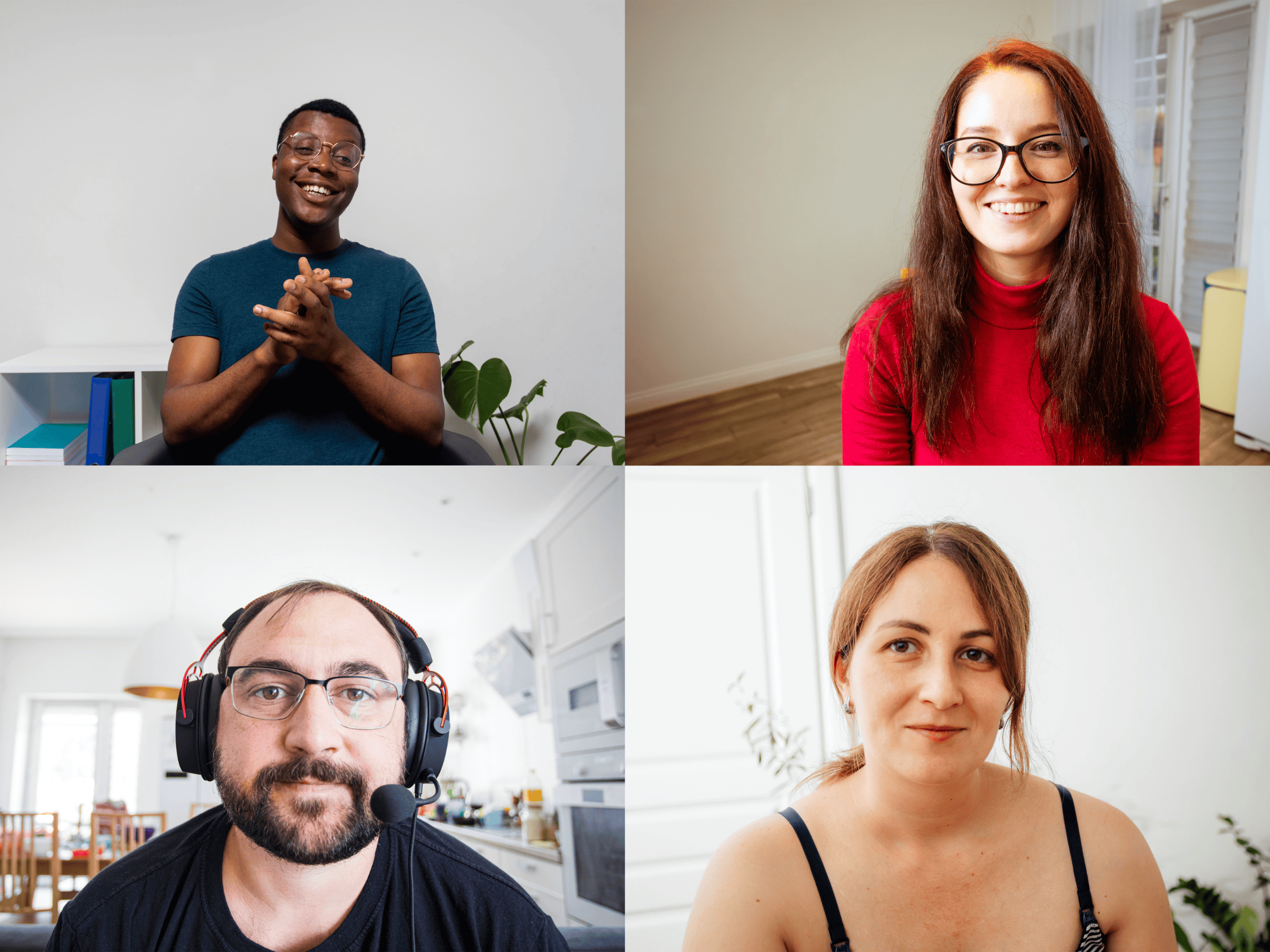
Our experienced mental health therapists offer online sessions to support clients.
Find a therapist
Psychotherapists in Mississauga provide professional, accessible mental health support for individuals, couples, and families seeking guidance in managing stress, anxiety, depression, trauma, and relationship challenges. Online sessions allow clients to connect with licensed therapists from the comfort of home, offering flexibility, convenience, and confidentiality while maintaining high standards of care.
Clients in Mississauga often face unique stressors related to work, commuting, family responsibilities, or academic pressures. Psychotherapy helps residents build coping strategies, develop self-awareness, and improve emotional resilience. By tailoring approaches to individual needs, therapists support both short-term symptom relief and long-term personal growth, ensuring mental health care is practical, effective, and accessible.



.avif)

.png)





.png)





Booking an Online Therapy Session
Get started today by booking an online therapy session by exploring the following steps:
Find a Therapist
Explore our team page or complete the matching form to be paired with a therapist who fits your needs and preferences.
Schedule a Free Consultation
Book a free consultation to ask questions, discuss goals, and see if it feels like the right fit.
Book a First Session
Once you’re ready, schedule your first full session online. Your therapist will guide you through the process and help you get started.
Frequently asked questions
Who are the psychotherapists in Mississauga, and what are their qualifications?
Psychotherapists at The Therapy Space are Master’s-level professionals registered with the College of Registered Psychotherapists of Ontario (CRPO). This includes fully licensed Registered Psychotherapists (RPs) and RP (Qualifying) therapists who are completing supervised hours under CRPO guidelines. Many therapists also hold additional certifications in modalities such as Cognitive Behavioural Therapy (CBT), Dialectical Behaviour Therapy (DBT), Acceptance and Commitment Therapy (ACT), Internal Family Systems (IFS), EMDR, mindfulness, and somatic therapy. This diverse expertise allows therapists to tailor their approaches to a wide range of client needs.
These qualifications ensure that clients in Mississauga receive high-quality, evidence-based care. For instance, a client dealing with long-term anxiety may benefit from CBT for symptom management, while someone recovering from trauma may utilize EMDR or somatic therapy. By combining advanced training with clinical experience, therapists provide individualized interventions that address both immediate challenges and long-term growth.
What types of issues can psychotherapists help with in Mississauga?
Psychotherapists in Mississauga address a wide array of mental health concerns, including anxiety, depression, trauma, grief, relationship challenges, stress, identity exploration, and executive function difficulties. They also assist clients navigating life transitions such as career changes, academic pressures, or adjustments in family dynamics. Online therapy ensures residents can access support without the barriers of travel or scheduling conflicts.
Therapists provide both symptom-focused interventions and deeper personal exploration. For example, a young professional struggling with workplace stress may work on time management, boundary-setting, and coping strategies, while another client might focus on uncovering patterns in relationships that contribute to anxiety or low self-esteem. This flexibility allows therapy to meet the specific needs and goals of each individual.
How do online psychotherapy sessions work?
Online sessions are conducted via Jane App, a secure Canadian platform with end-to-end encryption. Clients join sessions from a private, comfortable space using a computer, tablet, or smartphone, while therapists maintain professional confidentiality and security. Sessions typically last 50–60 minutes and follow a structured framework, including check-ins, exploration of challenges, interventions, and guidance on exercises or homework.
The virtual format also allows for flexibility and accessibility. For instance, a client with mobility limitations, heavy work commitments, or caregiving responsibilities can participate in therapy from home, avoiding the stress of commuting. Therapists provide clear instructions and technical support to ensure sessions are smooth, engaging, and fully focused on mental health care.
How is therapy personalized for each client?
Therapists begin by assessing each client’s unique history, goals, and preferences to determine the most effective approach. Some clients prefer structured, skills-based therapy like CBT or DBT, focusing on specific coping strategies and measurable outcomes. Others may benefit from insight-oriented approaches such as IFS, ACT, or mindfulness-based therapy, which explore deeper emotional patterns and promote self-awareness.
Many therapists blend modalities to create a flexible, evolving treatment plan. For example, a student experiencing anxiety may receive CBT exercises to manage immediate symptoms, while also engaging in mindfulness techniques to improve focus and emotional regulation. Regular check-ins allow the therapist to adjust strategies as therapy progresses, ensuring the approach remains aligned with the client’s needs and comfort level.
Can psychotherapy help with trauma in Mississauga?
Yes. Trauma-focused therapy may include EMDR, somatic therapy, CBT, or mindfulness practices, depending on the client’s needs and readiness. Therapists provide a structured and safe space for processing distressing experiences, helping clients address both emotional and physical responses to trauma while developing coping strategies to manage triggers in daily life.
Online trauma therapy also allows clients to work from environments where they feel safe. For instance, a client recovering from past abuse can engage in sessions from home, practicing grounding exercises and EMDR protocols with guidance from a therapist. Combining multiple modalities often results in more holistic healing and improved emotional resilience over time.
How does psychotherapy support couples and families?
Couples and family therapy focuses on improving communication, understanding, and emotional connection between members. Therapists may use the Gottman Method, IFS, or systemic approaches to explore relational patterns, address conflict, and strengthen relationships. Online sessions allow participants to join from different locations, which is particularly helpful for families with varying schedules or long commutes.
These sessions often include exercises designed to improve empathy, establish boundaries, and facilitate honest conversations. For example, a couple struggling with intimacy may practice structured communication exercises guided by the therapist, while a family navigating intergenerational conflict may learn strategies to reduce tension and enhance cooperation. The therapist supports the group in implementing these techniques in real-life interactions.
How long does psychotherapy typically last in Mississauga?
The duration of therapy depends on individual goals, symptom severity, and therapy type. Short-term therapy may involve 6–12 sessions for specific challenges such as stress management or mild anxiety. Longer-term therapy may be recommended for chronic depression, complex trauma, relational difficulties, or ongoing personal development.
Progress is continuously assessed and treatment plans are adjusted to meet evolving needs. For example, a client initially seeking short-term support for workplace stress may extend therapy to address deeper patterns affecting self-esteem and relationships. Online therapy allows consistent engagement and follow-through, which is crucial for long-term improvement.
Are online sessions secure and private?
All online psychotherapy sessions are conducted on Jane App, a secure platform compliant with PIPEDA and PHIPA. Client records are encrypted and stored safely, and therapists maintain confidential, private spaces for sessions. Clients are guided to create secure environments at home, ensuring conversations about sensitive or personal topics remain protected.
Security measures also include two-factor authentication, password protection, and encrypted video links to prevent unauthorized access. This allows clients to discuss trauma, anxiety, or relational challenges openly, without concern for privacy breaches. The robust security protocols reinforce trust and the therapeutic alliance.
How do I choose the right psychotherapist in Mississauga?
Clients can browse therapist profiles, read detailed descriptions of specialties, view video introductions, and book sessions directly. Alternatively, the “Get Matched” form provides personalized recommendations based on goals, preferred modalities, and budget. This ensures clients are paired with therapists who meet both clinical and personal preferences.
Choosing the right therapist is crucial for effective outcomes. For instance, someone recovering from trauma may need a therapist trained in EMDR, while another client may prefer CBT or mindfulness-based approaches for anxiety management. The matching process prioritizes both professional expertise and compatibility with the client’s communication style, personality, and therapeutic goals.
Can I switch therapists if I’m not comfortable?
Yes. Clients can request a new match or explore other profiles if they feel the therapist is not the right fit. Flexibility is built into the therapy process to ensure clients feel supported and understood, which is essential for building trust and fostering meaningful progress.
For example, a client who initially chooses a therapist specializing in CBT may later switch to a therapist integrating IFS or mindfulness if they feel a deeper insight-oriented approach is needed. This adaptability ensures therapy remains client-centered and maximizes the likelihood of positive outcomes.
What role do mindfulness and somatic practices play in psychotherapy?
Mindfulness and somatic therapy help clients manage stress, increase emotional regulation, and develop body awareness. Practices may include guided meditation, grounding exercises, breathwork, and gentle movement. These techniques complement talk therapy by helping clients integrate emotional and physical responses to stress or trauma.
For instance, a client experiencing tension and anxiety may use somatic exercises to release stored physical stress while practicing mindfulness to stay present and reduce rumination. Over time, these practices strengthen resilience, improve coping strategies, and support overall mental well-being.
What should I expect from the first online psychotherapy session in Mississauga?
The first session focuses on establishing rapport, understanding presenting concerns, and outlining therapy goals. Therapists explain the modalities they may use—such as CBT, DBT, ACT, IFS, EMDR, mindfulness, or somatic therapy—and provide guidance on structure, pacing, and expectations.
Clients leave the session with practical strategies to begin implementing immediately and a collaborative plan for ongoing therapy. For example, a client struggling with anxiety may receive grounding exercises, thought-restructuring techniques, and a personalized action plan. This initial session sets the foundation for a supportive, effective, and client-centered mental health journey.