Anxiety Therapy and Counselling in Québec
Find online therapists in Québec & Across Canada
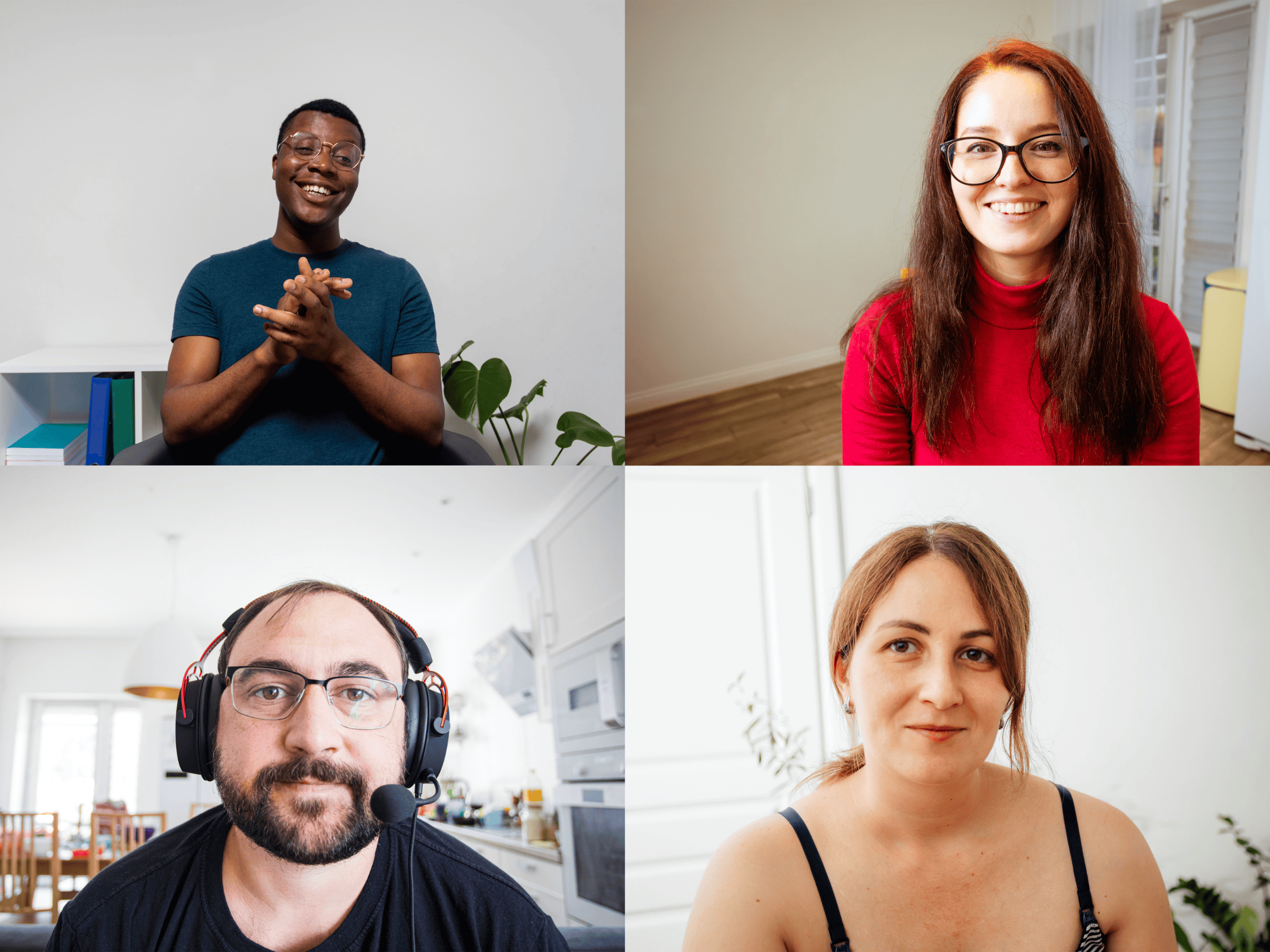
Our experienced mental health therapists offer online sessions to support clients.
Find a therapist
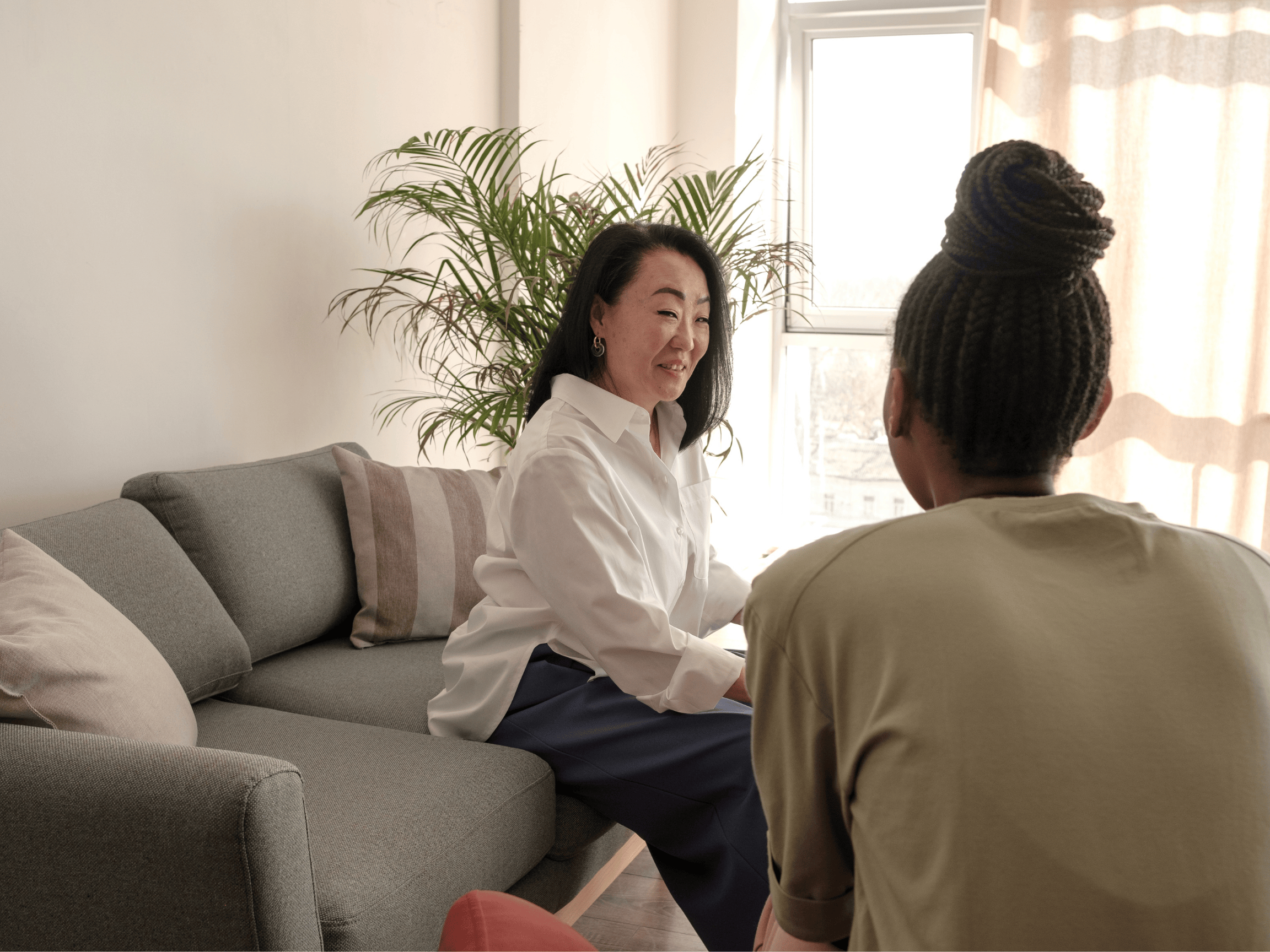
Anxiety therapy in Québec provides professional support for individuals experiencing persistent worry, fear, or stress that impacts daily life. Online sessions allow clients to access licensed therapists from home, offering a convenient, confidential, and flexible approach to managing anxiety. By working with a trained professional, clients can develop coping strategies, challenge unhelpful thought patterns, and gradually reduce the intensity of anxious symptoms.
Therapists in Québec help clients navigate anxiety related to work, school, relationships, or personal challenges. Using evidence-based approaches such as Cognitive Behavioural Therapy (CBT), Acceptance and Commitment Therapy (ACT), and mindfulness-based interventions, therapy addresses both the emotional and physical aspects of anxiety. Online counselling also enables regular, consistent engagement, helping clients apply strategies in real-life situations and build resilience over time.



.avif)

.png)



.png)




Booking an Online Therapy Session
Get started today by booking an online therapy session by exploring the following steps:
Find a Therapist
Explore our team page or complete the matching form to be paired with a therapist who fits your needs and preferences.
Schedule a Free Consultation
Book a free consultation to ask questions, discuss goals, and see if it feels like the right fit.
Book a First Session
Once you’re ready, schedule your first full session online. Your therapist will guide you through the process and help you get started.
Frequently asked questions
What is anxiety therapy in Québec?
Anxiety therapy is a structured approach to help individuals understand, manage, and reduce excessive worry or fear. Therapists work with clients to identify triggers, recognize patterns of anxious thinking, and develop practical coping strategies. The goal is to empower clients to respond to stressors with more confidence and calmness, improving overall quality of life.
Online anxiety therapy in Québec allows clients to access sessions from home, which can reduce barriers such as travel time or mobility constraints. This format also helps clients practice coping strategies in their natural environment, allowing them to apply skills immediately and observe what techniques work best in real-world situations.
Additionally, anxiety therapy often includes psychoeducation about the physiological and psychological aspects of anxiety. Clients learn how the nervous system reacts to stress, how avoidance and safety behaviors maintain anxiety, and ways to gradually face triggers. Understanding these mechanisms can reduce fear of the symptoms themselves and increase motivation to engage in therapeutic exercises.
Who provides anxiety therapy in Québec?
Therapists offering anxiety therapy in Québec are licensed psychotherapists registered with the College of Registered Psychotherapists of Ontario (CRPO). While physically based in Ontario, they can provide online psychotherapy to clients in Québec, ensuring care is accessible across provincial borders.
Many therapists hold advanced training in CBT, DBT, ACT, mindfulness, and somatic approaches. This allows them to tailor interventions to each client’s unique needs, whether addressing generalized anxiety, social anxiety, panic attacks, or performance-related stress.
Because anxiety often involves overlapping concerns, these therapists integrate knowledge from trauma-informed care, relational therapy, and stress management techniques. This holistic approach ensures clients receive comprehensive support for both emotional and behavioral components of anxiety, increasing the likelihood of lasting improvement.
How does Cognitive Behavioural Therapy (CBT) help with anxiety?
CBT helps clients recognize and reframe unhelpful thought patterns that contribute to anxiety. Through structured exercises, clients learn to challenge catastrophic thinking, identify cognitive distortions, and develop healthier responses to stressful situations.
In online CBT sessions, therapists guide clients through homework exercises, thought logs, and exposure tasks. Clients gradually build skills to reduce avoidance behaviors, manage triggers, and gain a sense of control over their anxiety.
CBT also teaches clients self-monitoring and relapse prevention techniques. By learning to notice early signs of anxious escalation, clients can apply strategies before anxiety becomes overwhelming, empowering them to maintain progress between sessions.
How is Acceptance and Commitment Therapy (ACT) used for anxiety?
ACT encourages clients to accept anxious thoughts without judgment and focus on actions aligned with personal values. Instead of trying to eliminate anxiety entirely, ACT helps individuals live meaningful lives while coexisting with discomfort.
Online sessions in Québec allow therapists to teach mindfulness exercises, value clarification, and commitment strategies. Clients learn to notice anxious thoughts without reacting automatically, increasing flexibility and resilience in everyday life.
ACT also emphasizes experiential learning, helping clients experiment with small, manageable exposures to anxiety-provoking situations. This practical application reinforces the idea that anxiety can coexist with action, gradually decreasing avoidance and increasing life satisfaction.
Can mindfulness and somatic therapy support anxiety management?
Yes. Mindfulness practices such as meditation, body scanning, and breathwork help clients become present, reduce rumination, and regulate the nervous system. Somatic therapy addresses the physical manifestations of anxiety, helping release tension and restore balance to the body.
Therapists guide clients step-by-step through these techniques online, ensuring safe practice at home. By integrating mindfulness and somatic exercises with cognitive and behavioural approaches, clients achieve more comprehensive anxiety management.
These approaches also provide tools for self-regulation in moments of acute anxiety. Clients can learn grounding techniques, pacing exercises, and body awareness practices that interrupt the stress response, reducing both mental and physical symptoms of anxiety in real-time situations.
How many sessions are typically needed for anxiety therapy?
The number of sessions varies depending on severity, goals, and therapy type. Short-term therapy may involve 6–12 sessions for targeted concerns, while longer-term therapy may be recommended for chronic or complex anxiety patterns.
Therapists regularly assess progress, adjusting strategies to meet the client’s evolving needs. Online access allows clients to maintain consistency, which is key to skill acquisition and long-term anxiety reduction.
Additionally, session length and pacing can be tailored to each client. Some clients benefit from weekly 50-minute sessions, while others may prefer shorter, more frequent check-ins or extended sessions for skills practice and in-depth exploration.
Can online anxiety therapy in Québec support teens and young adults?
Yes. Online therapy is suitable for adolescents and young adults experiencing school-related stress, social anxiety, or transition challenges. Therapists use age-appropriate CBT, mindfulness, and coping strategies to help younger clients manage worries effectively.
For families, therapists may provide guidance on supporting teens’ emotional regulation and creating a supportive home environment. Virtual sessions also reduce the stigma and logistical barriers often associated with in-person therapy for younger clients.
Therapists may also collaborate with educators, parents, or guardians when appropriate, providing psychoeducation and strategies to create consistent support across home and school environments. This ensures a coordinated approach that reinforces progress in daily life.
How can therapy address anxiety related to work or performance?
Therapists help clients develop strategies for managing workplace stress, public speaking anxiety, and perfectionism. Techniques may include cognitive restructuring, time management skills, relaxation exercises, and boundary-setting.
Through online therapy, clients can discuss real-time work challenges and apply interventions immediately. This practical focus helps reduce anxiety in professional contexts while improving confidence and productivity.
In addition, therapists teach proactive skills for anticipating high-pressure situations, managing physiological arousal, and using self-coaching techniques. This equips clients to navigate demanding environments without escalating anxiety or burnout.
Are anxiety therapy sessions secure and private in Québec?
Yes. All online sessions use encrypted platforms compliant with Canadian privacy laws, including PIPEDA and PHIPA. Therapists guide clients to create a private, distraction-free space for sessions, ensuring confidentiality and safety.
Security measures extend to records and session notes, giving clients confidence that their personal information remains protected. This secure environment allows clients to share openly and work through anxiety effectively.
Clients are also informed about session etiquette, secure internet use, and ways to prevent interruptions, further enhancing privacy and ensuring a professional and safe therapeutic experience.
How do I find an online anxiety therapist in Québec?
Clients can browse therapist profiles, view introductions, and schedule sessions directly on our platform. Alternatively, the “Get Matched” option allows the team to recommend therapists based on client goals, preferences, and modality needs.
This process ensures clients are paired with professionals experienced in managing anxiety and familiar with evidence-based approaches. CRPO-registered therapists from Ontario can provide online sessions to Québec residents, expanding access to skilled mental health support.
Therapists’ profiles often include details on areas of expertise, therapeutic style, and preferred modalities, helping clients make informed choices and increasing the likelihood of a strong therapeutic fit.
Can therapy help with both anxiety and co-occurring issues?
Absolutely. Many clients experience anxiety alongside depression, trauma, or relational challenges. Therapists create integrated treatment plans addressing multiple concerns simultaneously, using modalities such as CBT, ACT, mindfulness, and somatic therapy.
By targeting underlying patterns and developing versatile coping strategies, clients gain tools to manage anxiety while improving overall mental health and life satisfaction. Online therapy allows consistent follow-up and monitoring, ensuring comprehensive care.
Therapists also provide education on the interplay between anxiety and other mental health issues, helping clients understand triggers, maintain self-awareness, and prevent symptoms from exacerbating each other. This enhances long-term resilience and coping.
What should I expect from my first anxiety therapy session?
The first session focuses on understanding your concerns, history, and goals. The therapist explains their approach, confidentiality, and session structure, helping establish comfort and trust.
Clients will begin learning coping strategies tailored to their needs, such as grounding techniques, thought monitoring, or mindfulness exercises. The initial session sets a foundation for ongoing work, providing clarity, reassurance, and a clear plan for addressing anxiety in a supportive, structured environment.
Therapists often also introduce a brief psychoeducational overview of anxiety, including its cognitive, emotional, and physiological components. This helps clients contextualize their experience, normalize reactions, and feel empowered to engage actively in the therapeutic process.