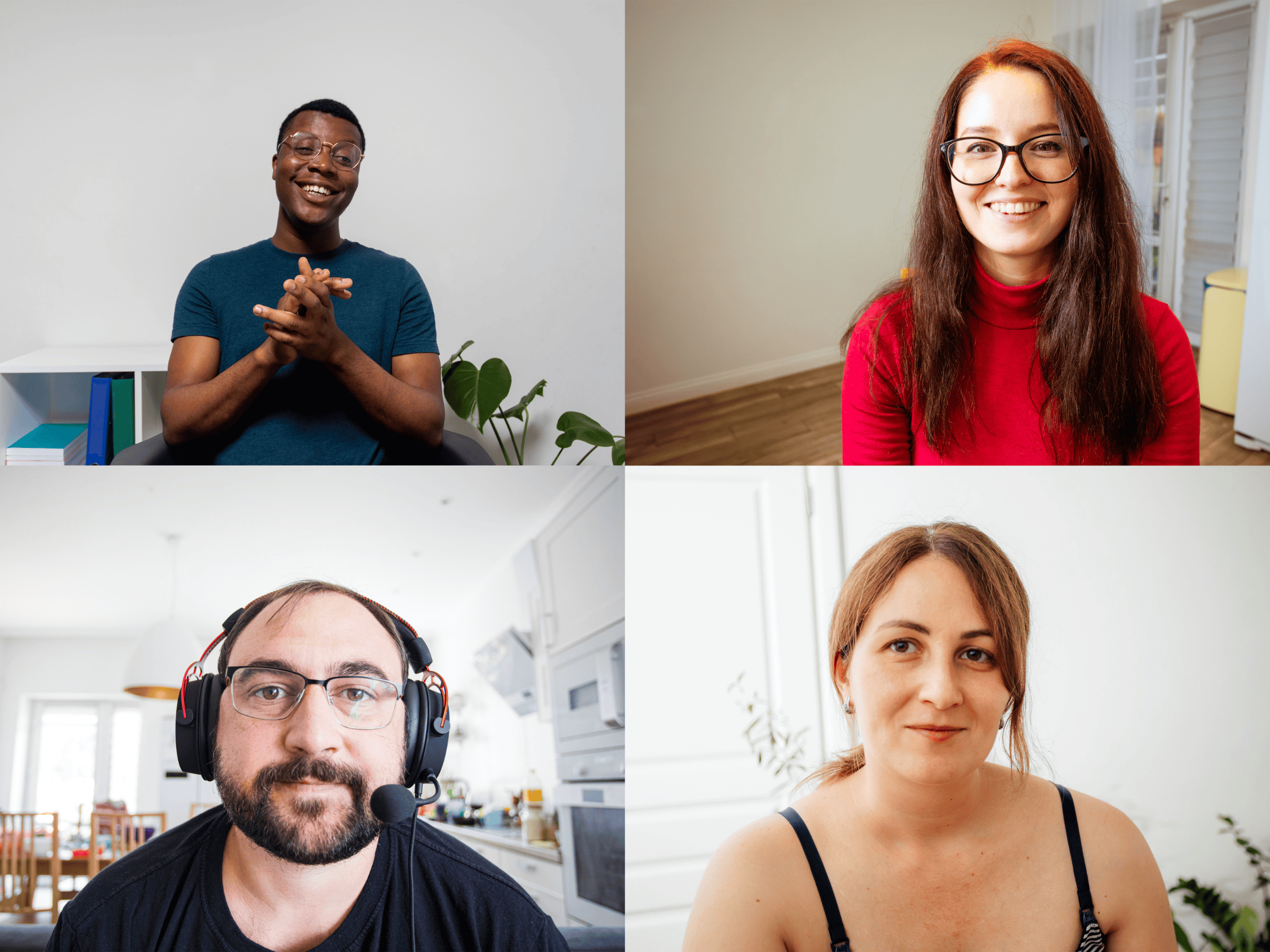
Therapists in Montreal
Find online therapists in Québec & Across Canada
Our experienced mental health therapists offer online sessions to support clients.
Find a therapist
Therapists in Montreal provide professional and compassionate mental health support for individuals, couples, and families seeking balance, understanding, and emotional well-being. Whether you’re navigating anxiety, depression, trauma, relationship difficulties, or stress, therapy offers a confidential space to explore your experiences and develop tools for change. Sessions are tailored to each client’s needs, combining structure and care to foster growth, clarity, and resilience.
At The Therapy Space, clients in Montreal can access online therapy with Ontario-registered psychotherapists who are licensed to provide care throughout Quebec. This approach ensures flexibility and privacy while maintaining the highest standards of professionalism. Montreal’s blend of cultural richness, fast-paced urban life, and strong sense of individuality can make it both inspiring and demanding. Therapy offers a calm, grounding space to reflect on your experiences, manage life’s complexities, and reconnect with what matters most.



.avif)

.png)





.png)





Booking an Online Therapy Session
Get started today by booking an online therapy session by exploring the following steps:
Find a Therapist
Explore our team page or complete the matching form to be paired with a therapist who fits your needs and preferences.
Schedule a Free Consultation
Book a free consultation to ask questions, discuss goals, and see if it feels like the right fit.
Book a First Session
Once you’re ready, schedule your first full session online. Your therapist will guide you through the process and help you get started.
Frequently asked questions
Who are the therapists in Montreal, and what qualifications do they hold?
Therapists in Montreal working through The Therapy Space are Ontario-registered professionals who meet the academic and ethical standards of the College of Registered Psychotherapists of Ontario (CRPO). Each therapist holds a master’s-level degree in counselling or psychotherapy and has completed supervised clinical training.
They are qualified to provide therapy to clients throughout Quebec and bring a variety of specializations to their work. Modalities include Cognitive Behavioural Therapy (CBT), Dialectical Behaviour Therapy (DBT), Acceptance and Commitment Therapy (ACT), Internal Family Systems (IFS), EMDR, mindfulness, and somatic therapy.
Each approach serves a distinct purpose. CBT helps identify unhelpful thought patterns, ACT emphasizes acceptance and personal values, while EMDR and somatic therapy address trauma through both mind and body. IFS provides a compassionate way to explore emotional parts of the self, promoting integration and balance.
At The Therapy Space, Montreal clients receive therapy that is both structured and personal, blending expertise with genuine care and respect for each client’s unique story.
How can therapy in Montreal help with anxiety and stress?
Therapy helps clients manage anxiety and stress by offering practical tools, perspective, and emotional understanding. Many Montreal residents experience pressure from demanding work environments, academic pursuits, or urban living. Therapy provides a steady, reflective space to manage these stressors with greater ease.
CBT helps clients reframe anxious thoughts and develop realistic coping strategies. DBT and mindfulness teach emotional regulation, grounding, and self-soothing techniques. Somatic approaches address how anxiety manifests physically, helping clients regulate tension and restore calm.
For example, a client juggling deadlines or exams may learn brief grounding techniques or breathing exercises to reduce overwhelm. Another may explore boundaries or self-care strategies to prevent burnout.
Over time, therapy helps clients feel more in control of their inner world and better equipped to handle life’s uncertainties. The goal is not to eliminate anxiety entirely, but to create awareness, resilience, and steadiness.
How does therapy address depression in Montreal?
Therapy offers support, structure, and strategies for clients living with depression. It helps break the cycle of withdrawal and negative thinking by fostering connection, purpose, and gentle accountability.
CBT focuses on identifying patterns of negative thought and behaviour that contribute to low mood. Behavioural activation encourages engagement in activities that bring meaning, even when motivation feels low. ACT helps clients accept difficult emotions while realigning with values that give direction and energy.
Therapists also incorporate mindfulness and somatic awareness to reconnect clients with their bodies and promote emotional regulation.
For instance, someone experiencing prolonged sadness or fatigue may learn to challenge self-critical beliefs and rebuild a sense of routine and connection. Therapy supports gradual change — one step at a time — helping clients in Montreal rediscover a sense of vitality, agency, and self-compassion.
Can trauma therapy be done in Montreal?
Yes. Trauma therapy is available to Montreal residents through secure online sessions with therapists trained in trauma-informed care.
Therapists use EMDR to process traumatic memories safely, reducing their emotional intensity and impact on daily life. Somatic therapy supports this process by helping clients reconnect with their body, release tension, and regulate the nervous system.
Early sessions focus on building safety, trust, and emotional stability before working directly with trauma. Clients learn grounding, mindfulness, and self-regulation skills to manage triggers and regain a sense of control.
Therapists also provide psychoeducation to help clients understand how trauma affects their brain, body, and relationships. This understanding reduces shame and empowers clients to approach healing at their own pace.
Over time, trauma therapy helps Montreal clients rebuild confidence, connection, and a sense of safety — both within themselves and in their environment.
Is couples and family therapy available in Montreal?
Yes. Couples and family therapy are available to Montreal residents seeking to improve communication, resolve conflict, and strengthen emotional connection.
Couples therapy focuses on rebuilding trust, increasing understanding, and nurturing intimacy. Therapists often draw from Emotion-Focused Therapy (EFT) to help partners express their emotions safely and respond to each other with empathy. The Gottman Method provides structured exercises to improve problem-solving and reinforce teamwork.
Family therapy helps families navigate communication challenges, generational dynamics, or role changes. Therapists use systemic approaches and IFS-informed strategies to identify patterns and create new ways of relating.
Sessions are collaborative and practical, helping families or couples find common ground and improve their emotional climate. For Montreal residents, couples and family therapy offer an opportunity to strengthen bonds and cultivate lasting understanding.
How are mindfulness and somatic practices integrated into therapy?
Mindfulness and somatic approaches are integrated into therapy to help clients regulate emotions and reconnect with the body. These practices are especially effective in addressing stress, trauma, or overthinking.
Mindfulness teaches presence — noticing thoughts, feelings, and sensations without judgment. Clients learn grounding and breathwork techniques that can be practiced during moments of tension or anxiety.
Somatic therapy complements this by exploring how emotions are held physically, guiding clients to release stored tension and restore balance.
For example, a Montreal client who feels tightness in their chest during stressful conversations may learn to slow their breathing and relax the body, supporting emotional regulation. These techniques are simple but deeply effective, helping clients manage stress and improve overall well-being.
How do I know which therapy approach is right for me?
Therapists at The Therapy Space collaborate with clients to identify which modalities best suit their goals, personality, and needs. During early sessions, therapists discuss various approaches and how they might support your specific challenges.
CBT offers structure and practicality for managing anxiety or depression. DBT helps with emotional regulation and relationship skills. ACT emphasizes self-acceptance and living according to personal values. EMDR and somatic therapy are ideal for trauma healing, while IFS offers a gentle way to explore emotional complexity and self-compassion.
Therapists may blend these methods to create a personalized plan that evolves as therapy progresses. This flexible, client-centered approach ensures therapy remains aligned with your growth and comfort level.
How secure are online therapy sessions in Montreal?
Online sessions are conducted through Jane App, a secure Canadian telehealth platform that meets PIPEDA and PHIPA privacy standards. All communication is end-to-end encrypted to ensure confidentiality.
Therapists conduct sessions from professional private settings and guide clients on how to create secure, comfortable environments at home. Records and notes are stored safely and accessible only to authorized professionals.
This format allows Montreal clients to receive consistent care without commuting through traffic or bad weather. Online therapy maintains confidentiality and convenience, supporting clients wherever they are in the city or province.
How do I book a therapist in Montreal, and can I switch if needed?
Booking therapy through The Therapy Space is simple and flexible. Clients can complete the Get Matched form to receive personalized recommendations based on their concerns, goals, and availability. They can also browse therapist profiles and book sessions directly online.
If a therapist doesn’t feel like the right fit, clients can easily request a new match. The process prioritizes comfort, trust, and client satisfaction.
The matching process also considers modality preferences (CBT, EMDR, mindfulness, etc.), session type (individual, couples, or family), and scheduling needs. This ensures Montreal clients connect with a therapist who fits both their goals and communication style.
How many sessions are typically required in Montreal therapy?
The duration of therapy depends on the nature of the concern, goals, and the client’s pace of progress. Short-term therapy often lasts between 6 and 12 sessions and focuses on specific issues such as stress or communication. Longer-term therapy supports deeper emotional exploration or trauma recovery.
Therapists assess progress regularly and adjust treatment plans as needed. Some clients choose to continue therapy over time as part of ongoing self-development and emotional maintenance.
Online sessions make therapy easier to attend consistently, which strengthens progress and long-term results. Clients in Montreal often appreciate the flexibility of fitting therapy around their work, study, or family schedules.
What can I expect from the first session?
The first session focuses on understanding your goals, concerns, and background. Your therapist will explain confidentiality, structure, and what to expect moving forward.
You’ll have time to share what brought you to therapy, the challenges you’re facing, and what you hope to gain. The therapist listens attentively, reflects on what they hear, and may offer early insights or practical tools to begin supporting your needs.
This initial session helps establish trust and comfort. Many Montreal clients describe feeling relief and clarity after the first appointment, knowing they’ve taken an important step toward change and understanding.
What issues can Montreal therapists address?
Therapists in Montreal support clients with a wide range of emotional and psychological concerns, including anxiety, depression, trauma, stress, burnout, grief, and self-esteem challenges. They also assist clients navigating identity development, life transitions, or relationship concerns.
Therapy combines reflection, education, and practical skill-building to promote emotional balance and resilience. Clients learn tools for communication, boundary setting, and emotional regulation that can be applied beyond therapy sessions.
At The Therapy Space, therapy is collaborative and compassionate. It offers Montreal residents a moment to pause within a fast-moving city — a place to process, reconnect, and grow. Whether you’re seeking healing, clarity, or personal development, therapy provides a supportive and consistent space to rediscover yourself and move forward with confidence.